
aglet
Project Type: Mobile App
Role: Creative and Strategic Direction
Deliverables: Vision & Strategy, UX Research, App Design
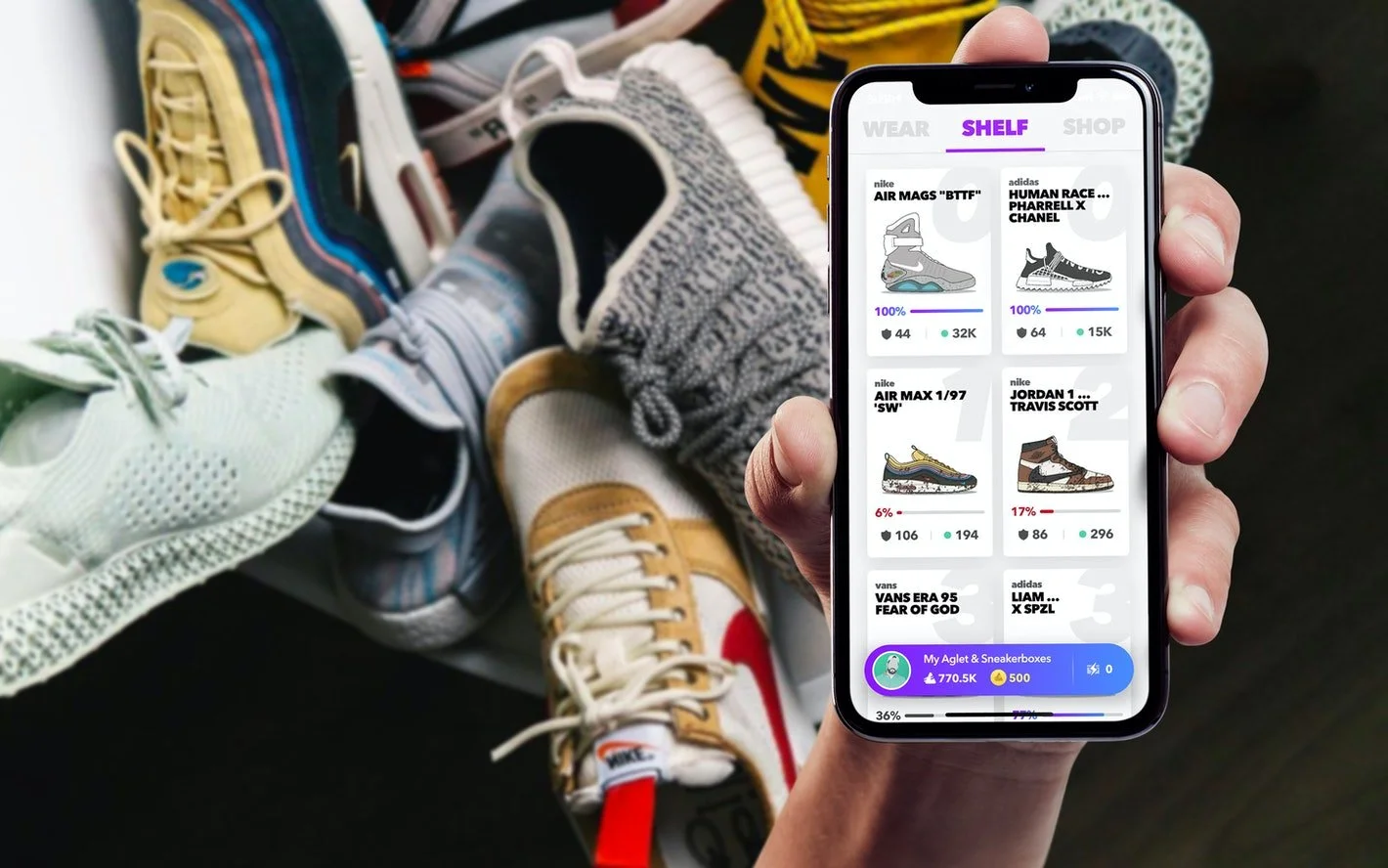
Introduction
The sneaker marketplace heavily favors the affluent, with bots and hype-driven drops pushing everyday consumers out. A booming secondary market has increased prices, demand, and customization—while reducing supply. The real opportunity is designing an experience that stands apart and meaningfully serves those who are consistently left out.
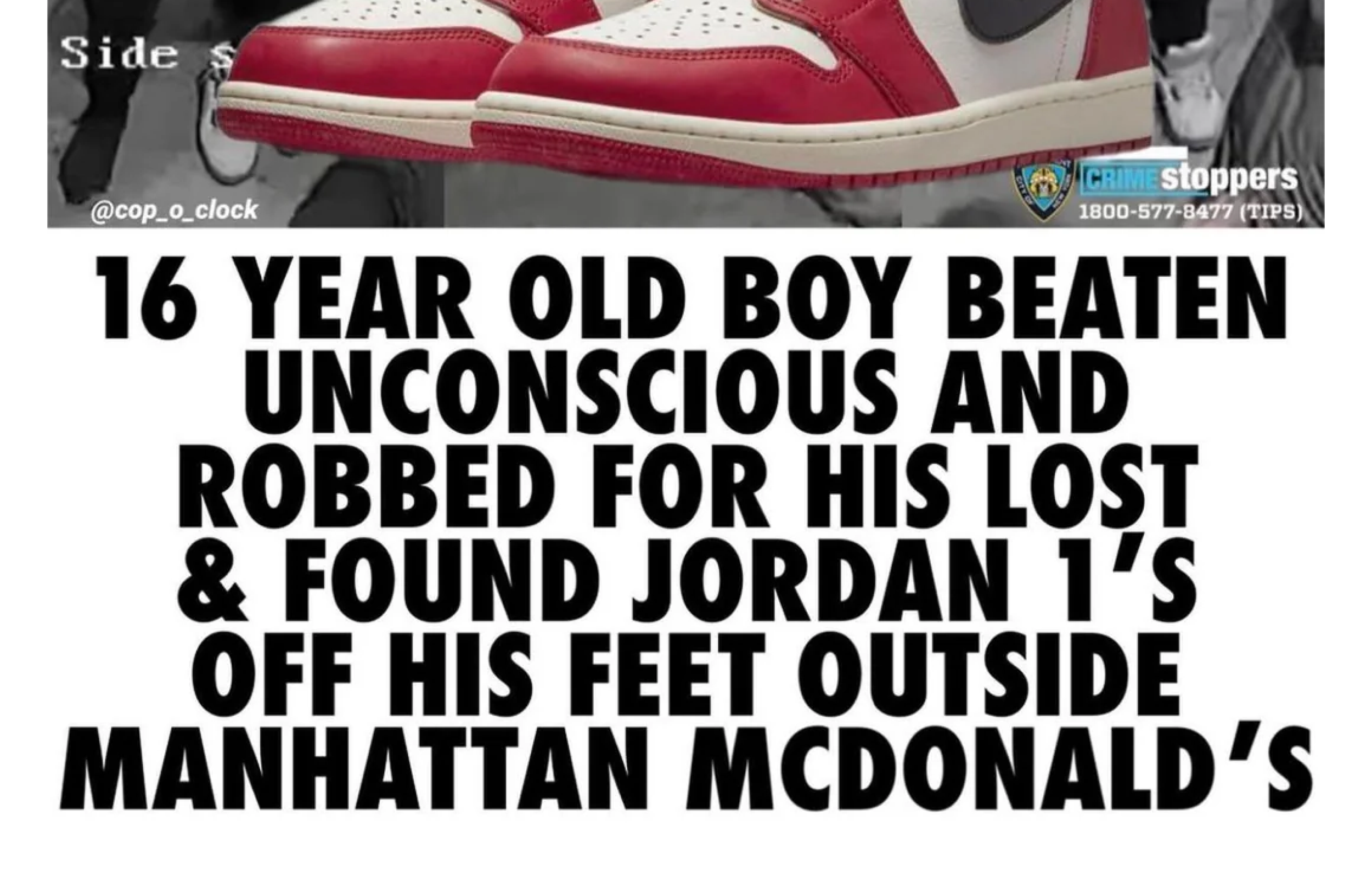
+200% increase in sneaker-related violence in the U.S. since 2020.
Coupled with a 200% rise in sneaker-related violence since 2020, the urgency is clear: the market needs a safer, more inclusive model. The real opportunity is to create an experience that opens the culture to all—not just the few who can afford or access it.
Approach
In August 2019, CEO Ryan Mullins stepped away from his role as Director of Future Trends at Adidas to pursue a digital-first vision for sneaker culture. Inspired by “Pokémon Go,” he built a small, dedicated team—bringing me on as a creative consultant—to turn that vision into reality.
We started by grounding ourselves in the industry insights we had gathered, then took a fresh look at the market to identify gaps and deepen our understanding.
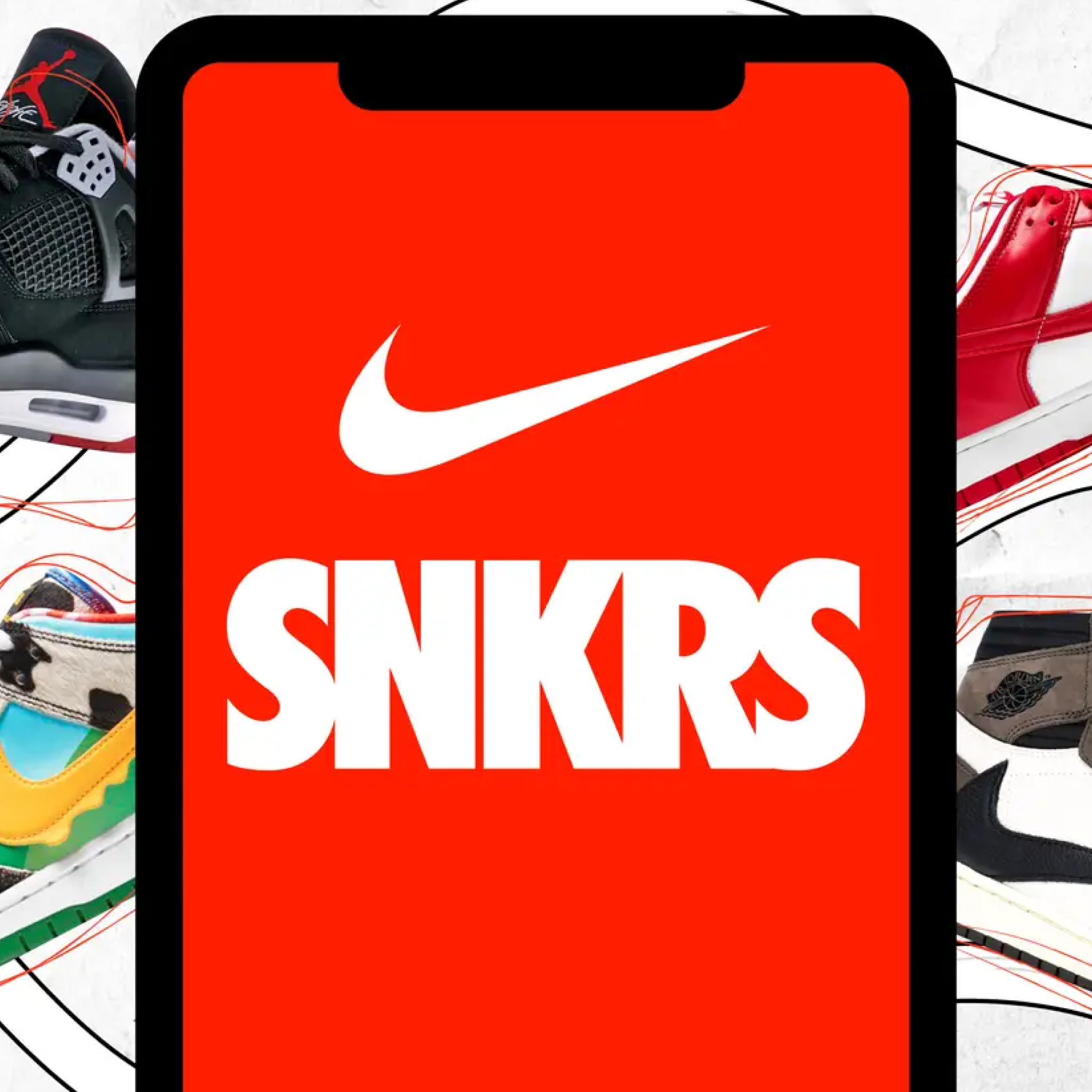
Nike’s SNKRS app leads the market in exclusive, personalized drops, but most customers still walk away with an “L,” largely due to bots dominating releases. Those who do secure a “W” often resell immediately, escalating both scarcity and demand.
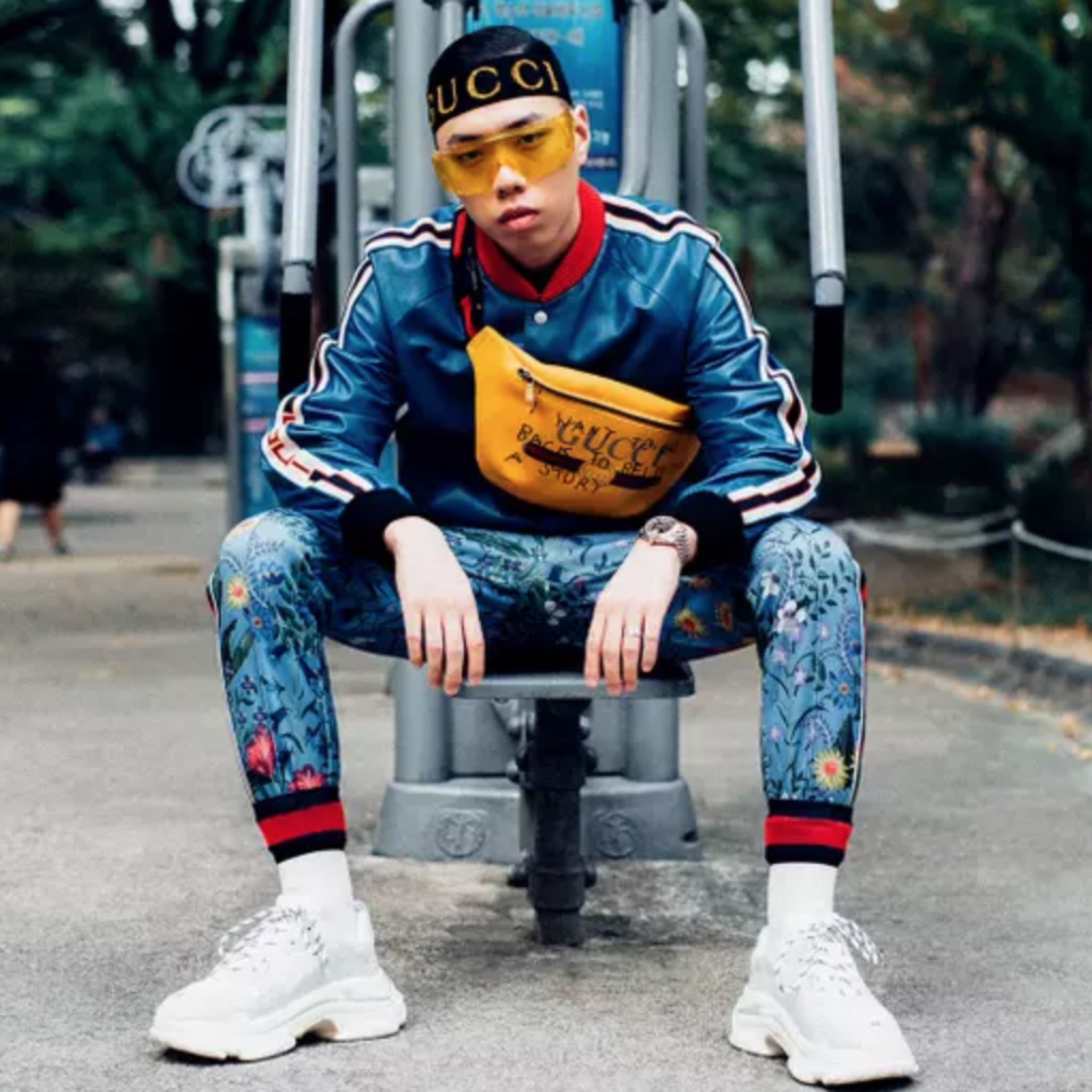
Most sneaker apps are built for the hardcore “hypebeast” audience, creating little space for casual buyers or newcomers trying to enter the culture.
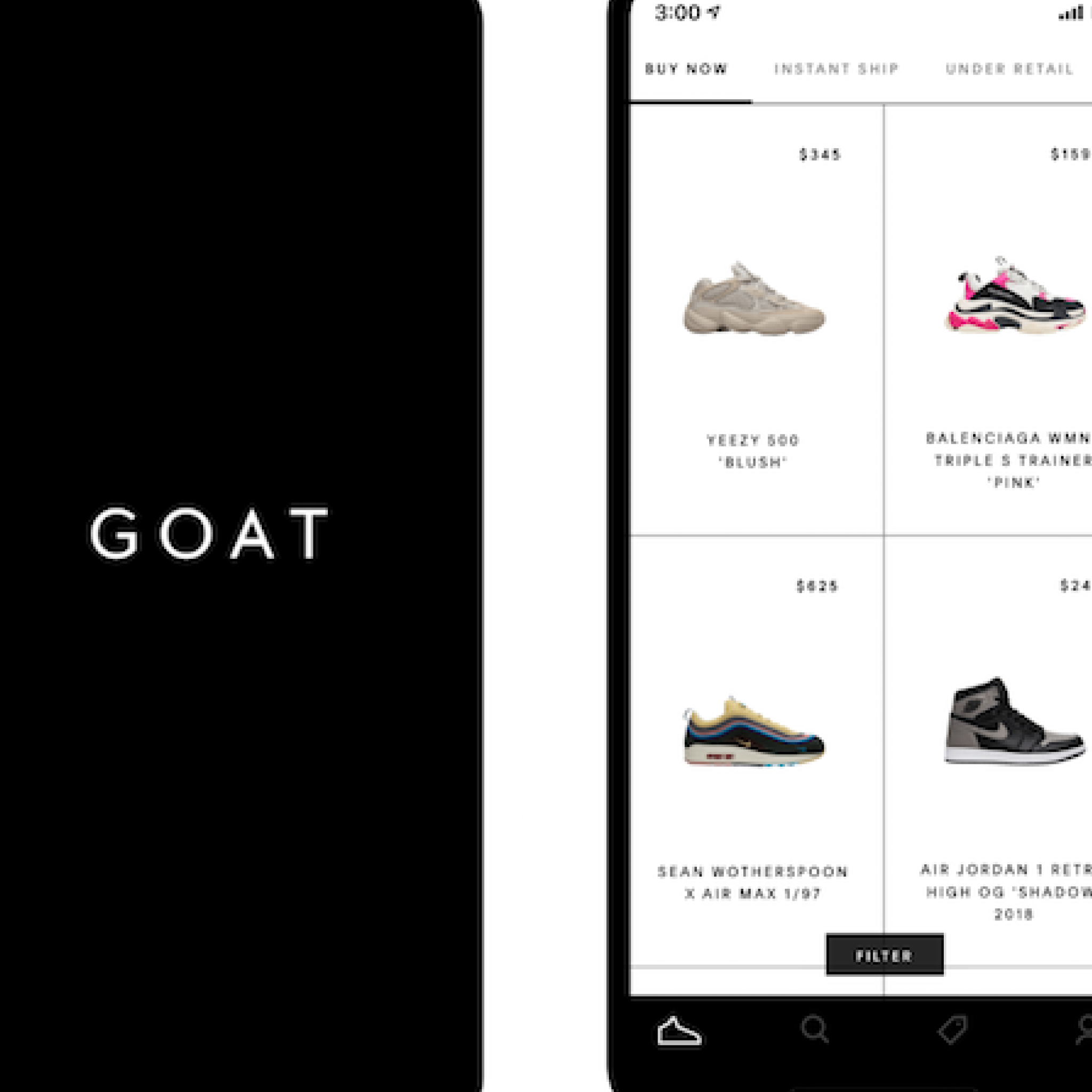
Perceived unfairness quickly breaks trust. Without bots, most consumers lose out on desired drops and end up paying inflated prices on eBay or GOAT.
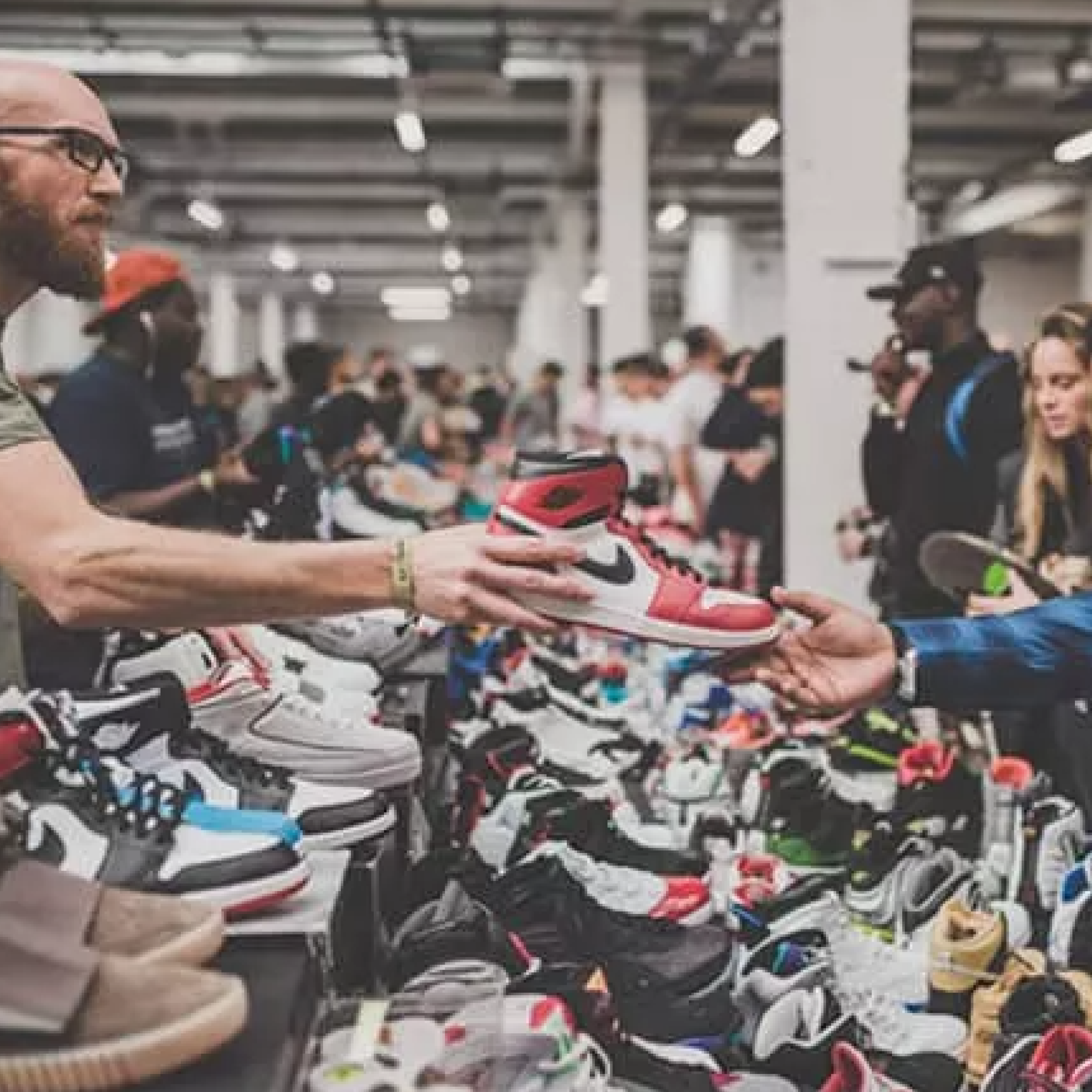
Sneaker buying has evolved into a legitimate second-income stream, making the gap between true enthusiasts and resellers largely financial. This commercialization has pushed many would-be community members to the margins.
To deepen our insights, we launched co-creation workshops in New York, Chicago, and Los Angeles with a deliberately broad mix of participants. Targeting a younger demographic also meant involving parents to capture their perspectives.
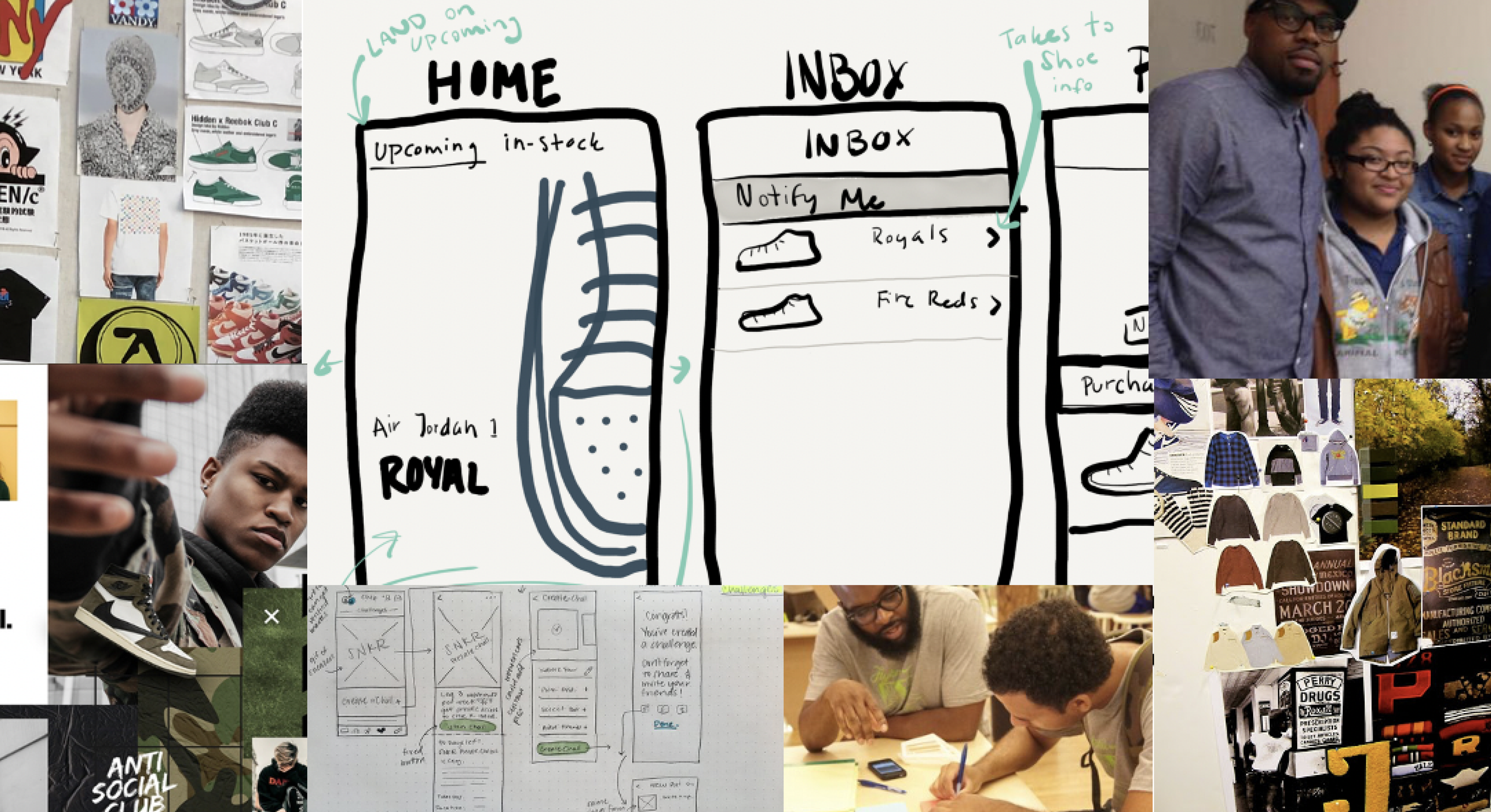
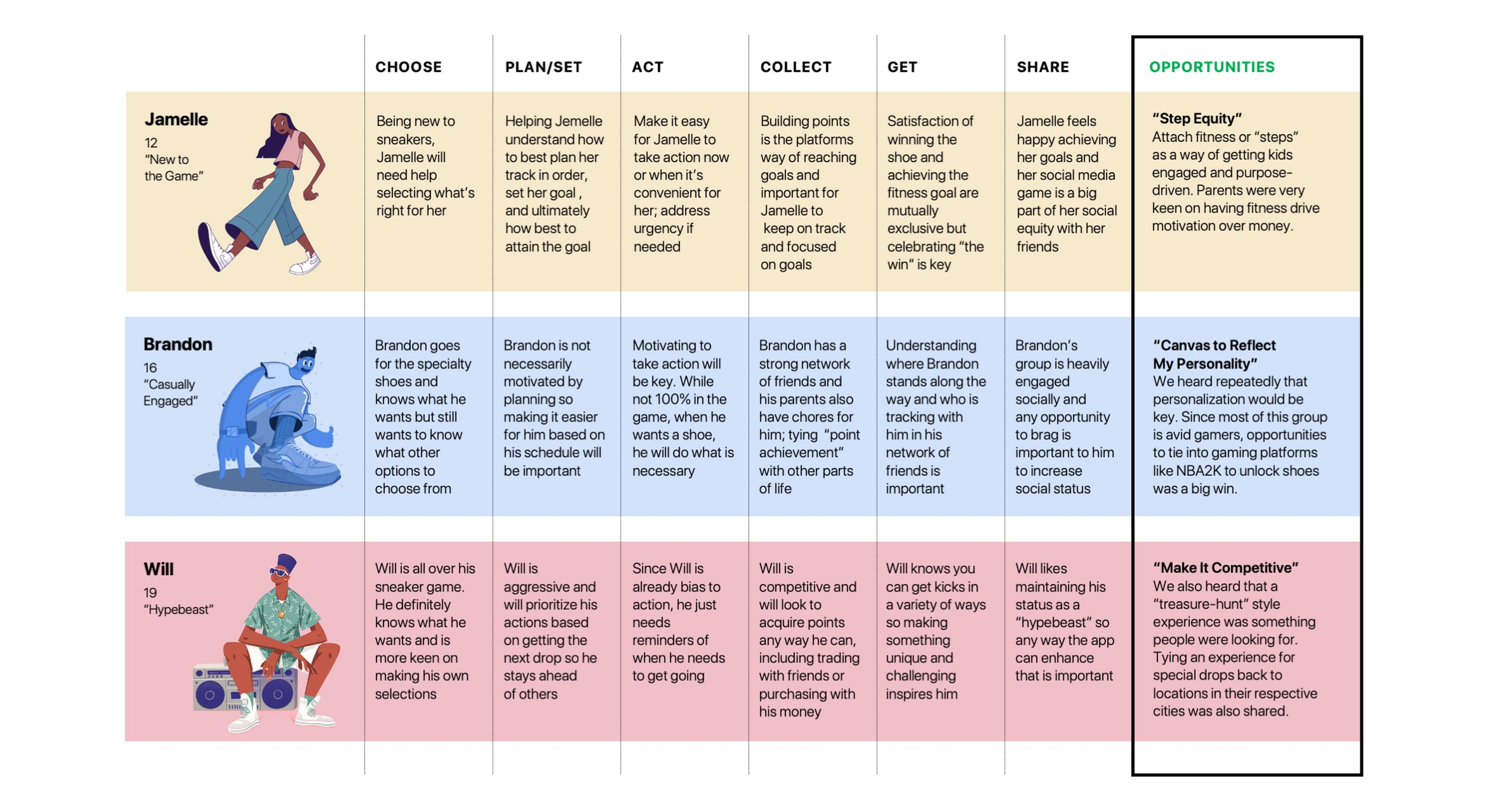
The co-creation sessions exceeded expectations, sparking ideas that helped us rethink the journey and surface more meaningful moments. A major outcome was our decision to “gamify” the experience—elevating fitness as a core form of currency.
The Solution
Partnering with Ryan and illustrator Dan Freebairn (Kickposters), we built a new design language that was both highly differentiated and scalable across genders, ages, and regions.
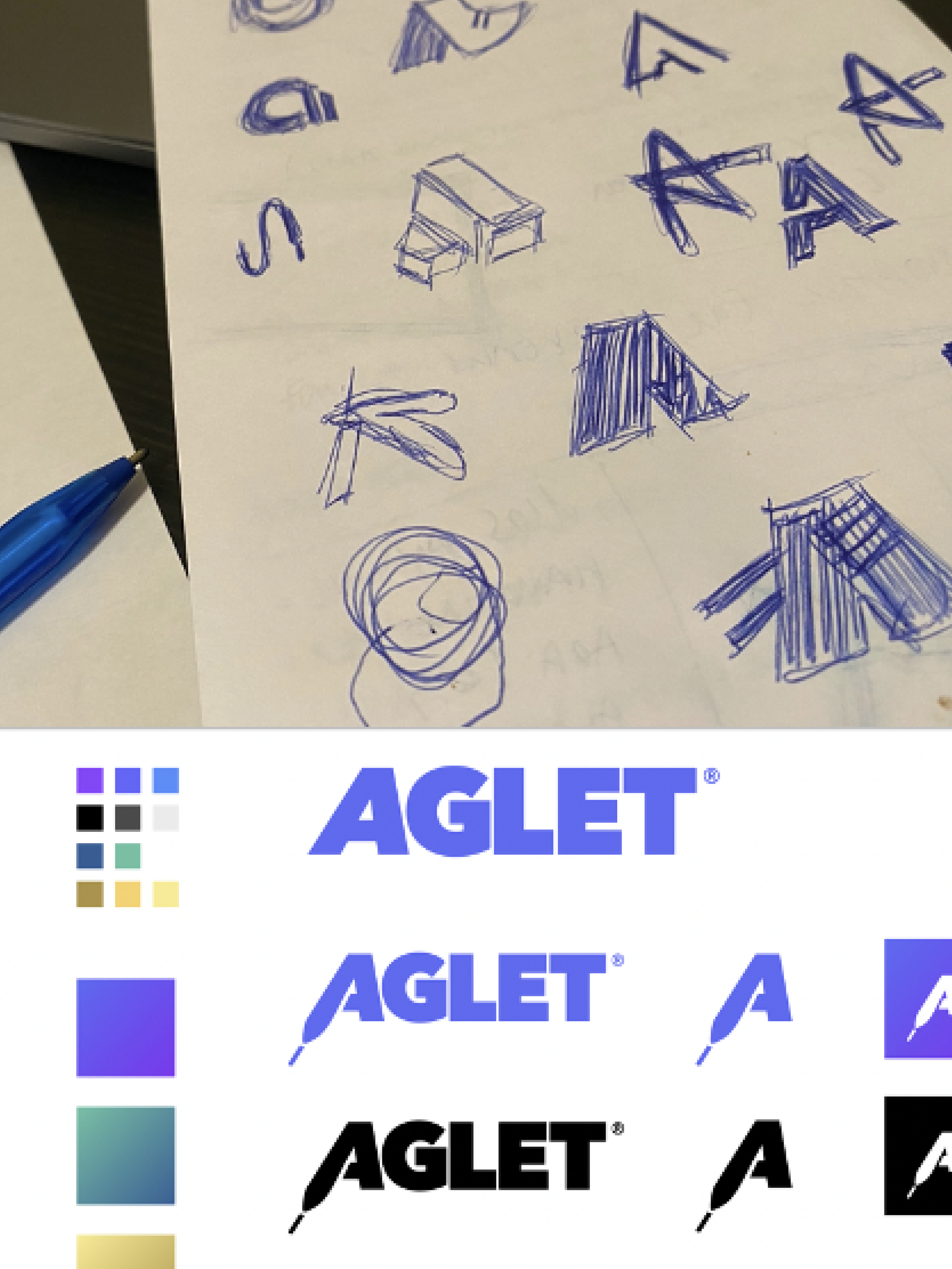
Ryan’s vision centered on the term “Aglet,” the small but essential tip of a shoelace. Its overlooked importance became a metaphor for the unseen, undervalued aspects of sneaker culture he wanted to elevate.
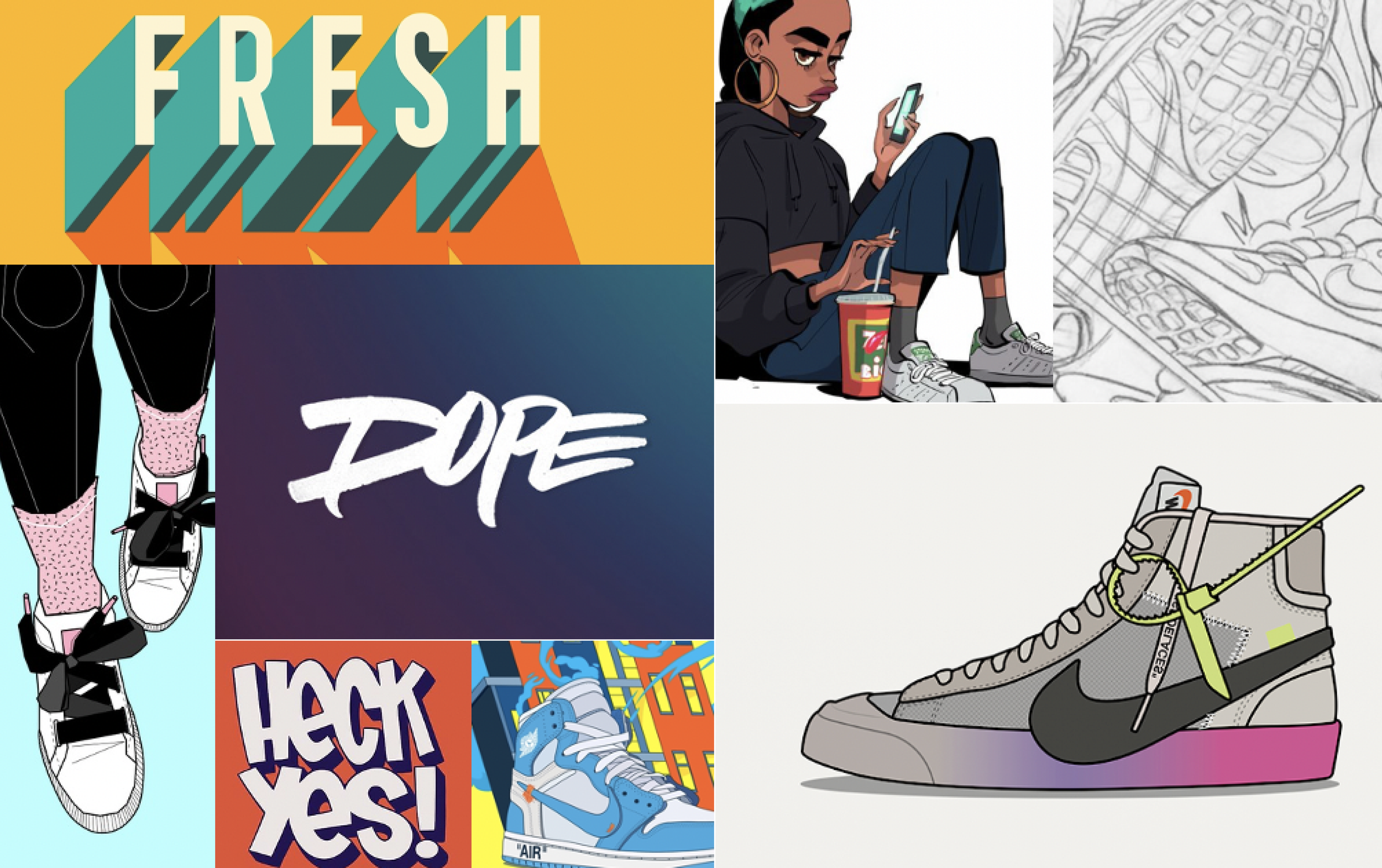
Sneaker subculture is rich with unique language, meaning, and regional nuances. We wanted to preserve that sense of dialogue and community—both visually and verbally—while staying authentic to the variations across locations.
When we began mapping journeys and wireframes, it became clear that the first-time experience would be essential. We used early explorations to refine our design language, patterns, and interaction model.
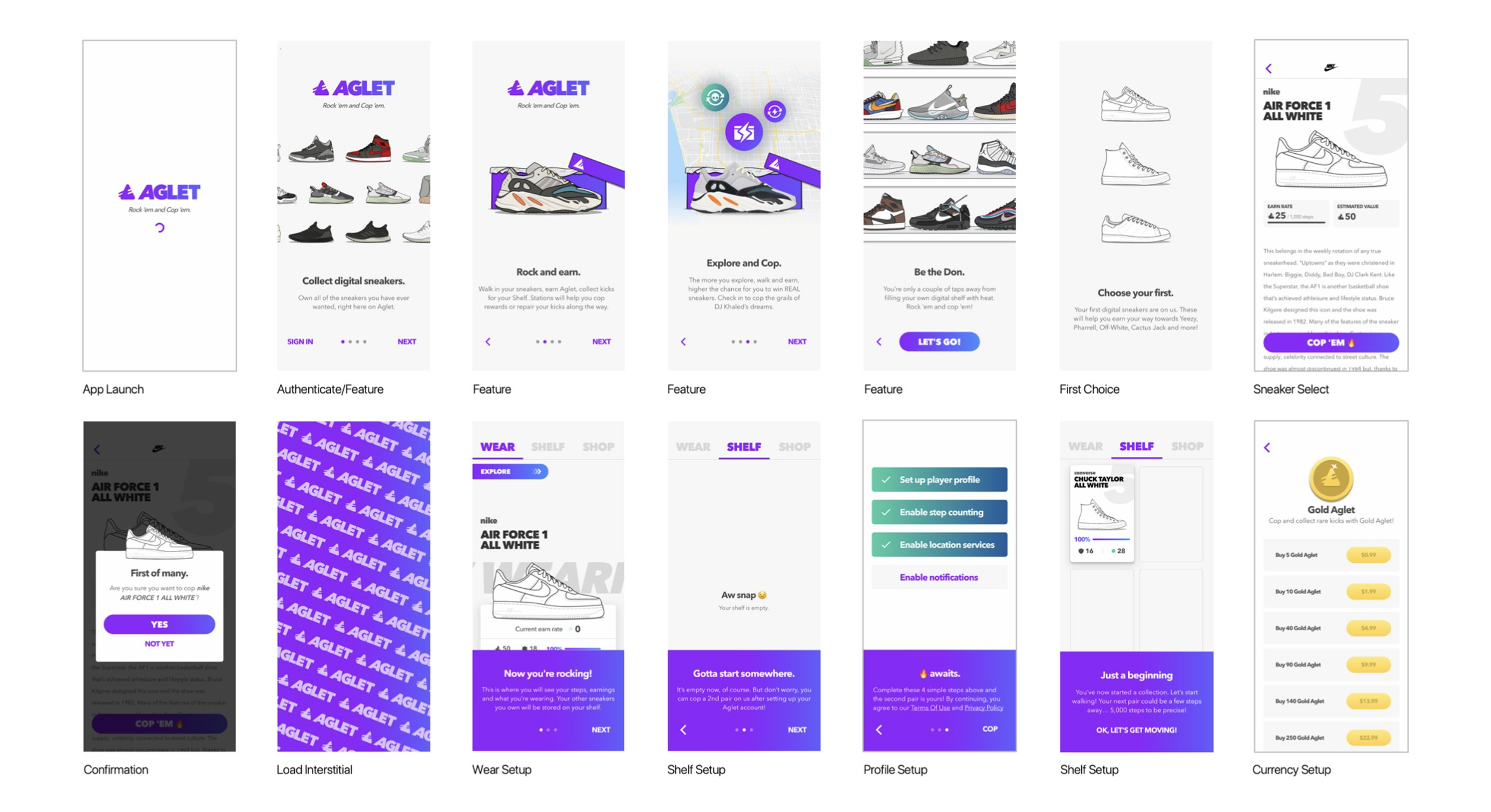
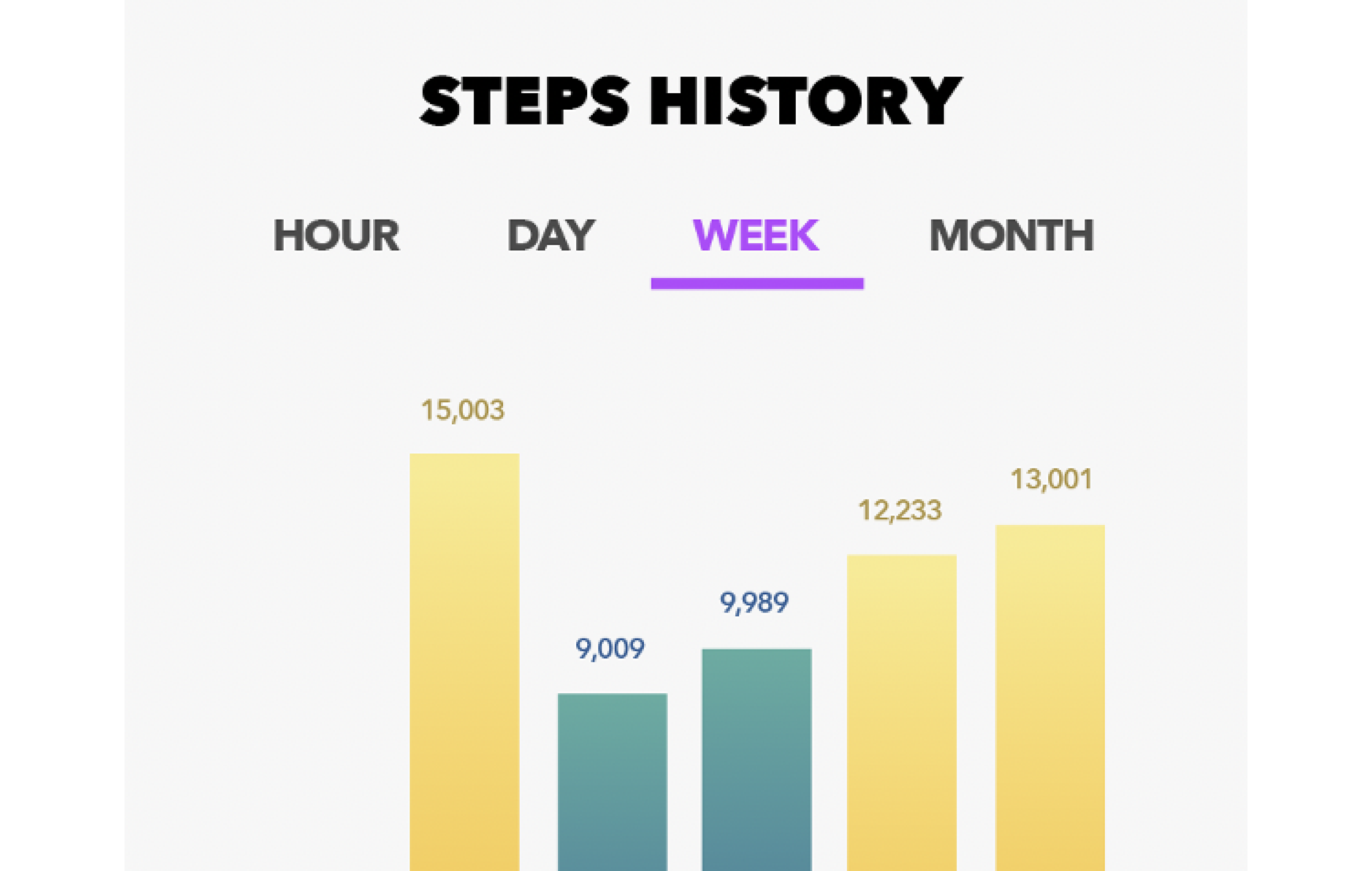
Connecting fitness to rewards—“steps to sneakers”—set us apart and established a new kind of currency.
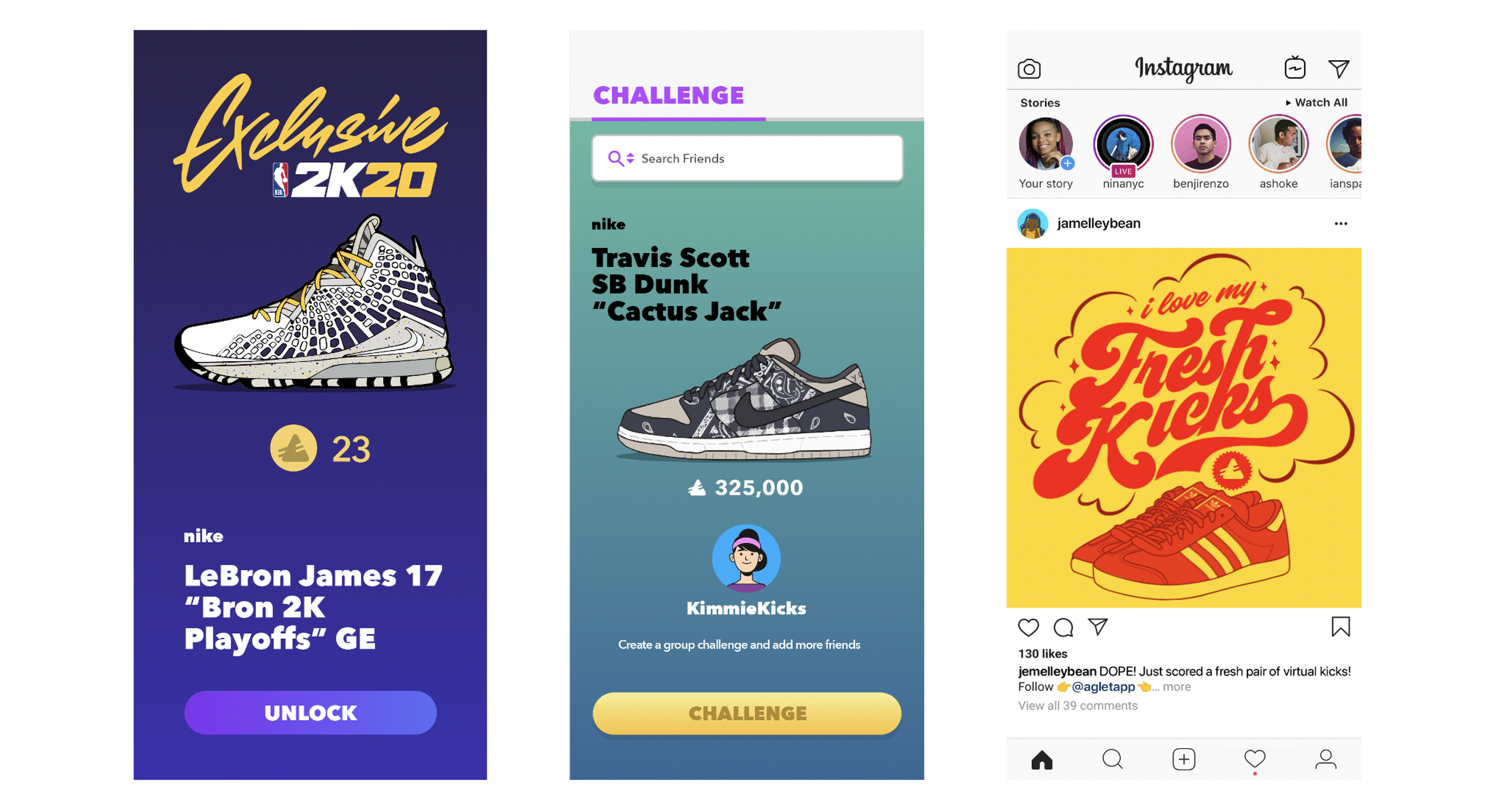
To drive engagement, we designed personalized flows that recognized key milestones and celebrated accomplishments in ways that felt big and rewarding.
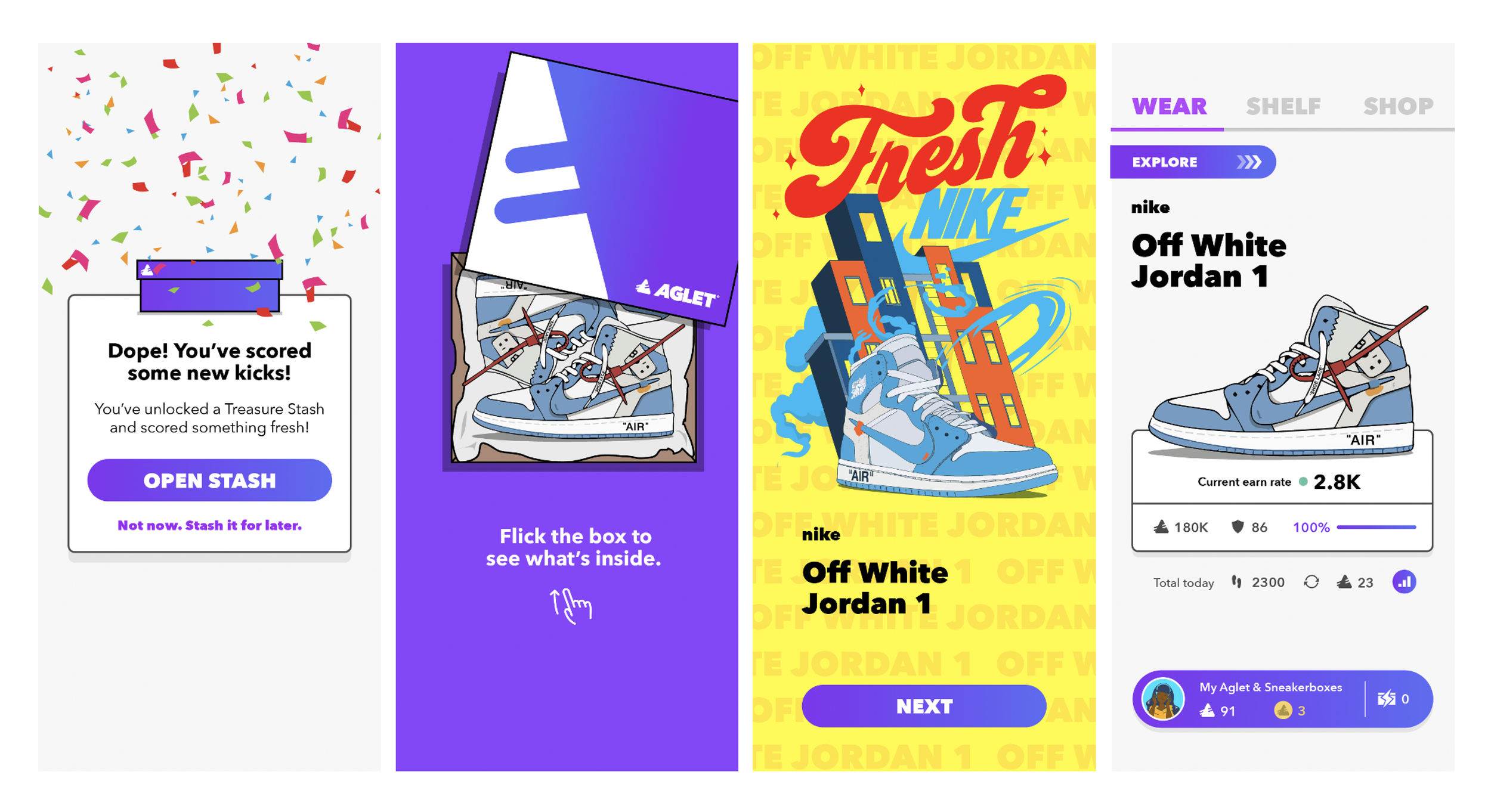
We increased stickiness by introducing exclusive drops, designing both solo and team quests, and giving users distinct ways to share and amplify their experiences
Outcomes
Ryan Mullins also saw the opportunity to extend Aglet into apparel and accessories through a virtual design studio—empowering users to create sneakers, hoodies, and entire fashion brands. The “Smart Aglet Sneaker Studio” brings those designs into the game and, eventually, into the real world.
“Brian was instrumental early on,” Mullins said. “He helped define the strategy and kept the team focused. That clarity enabled us to deliver early value that left users wanting more.”
– Ryan Mullins, CEO, Aglet
8.4B
Steps that users walked in a single year (or over 4 million miles in total)
3.8M
People digitally-active and enrolled in the app within the first year of its launch
4.7
Rating out of 5 on the Apple app store since the app was launched
$9.5M
Seed money secured in the first three months of the beta launch of the app