
Michelin engage
Project Type: Product
Role: Creative and Strategic Direction
Deliverables: Vision & Strategy, UX Research, B2B Platform Transformation
Introduction
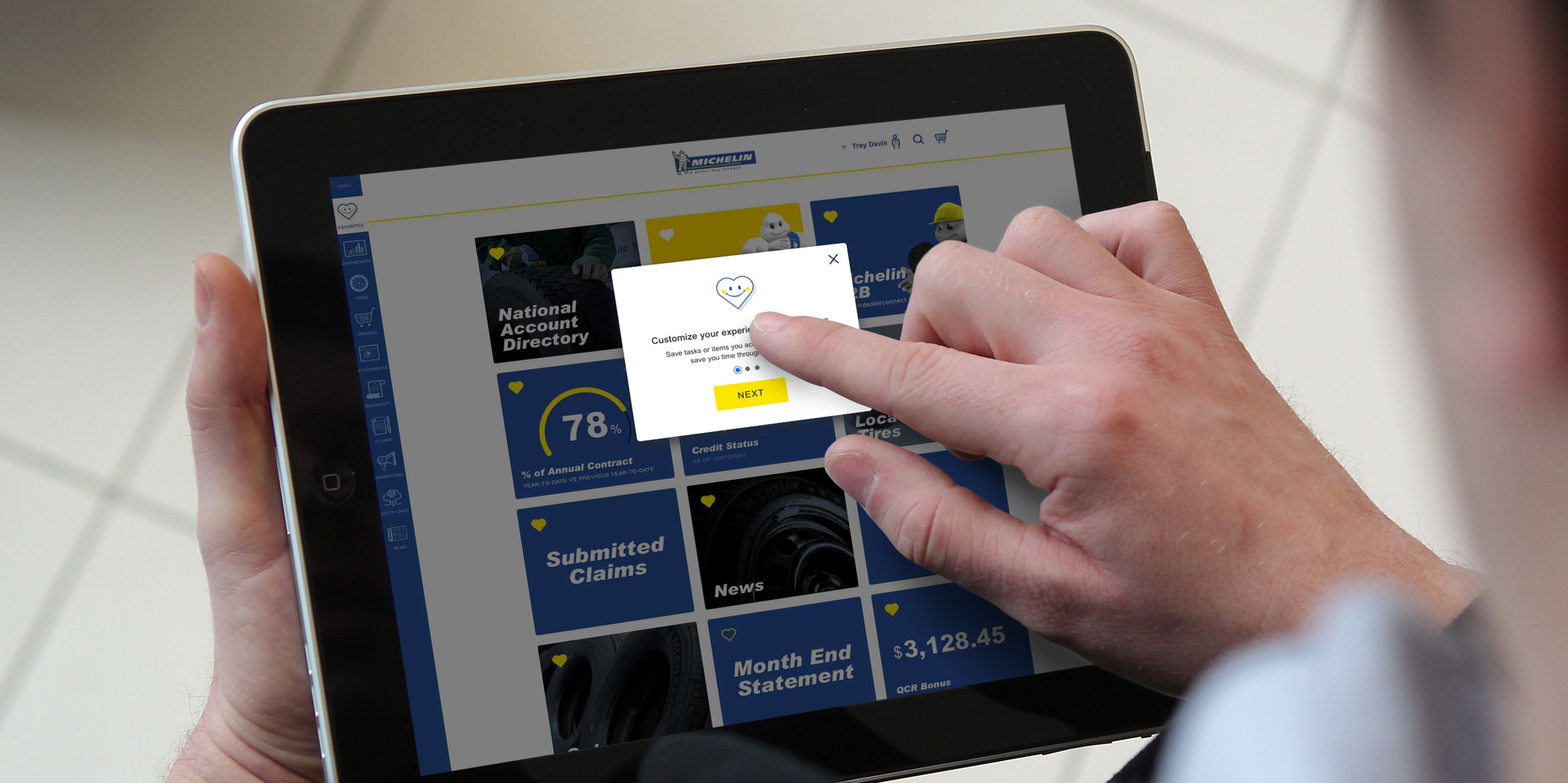
Michelin launched ENGAGE, a global transformation initiative to modernize its technology and elevate its end-to-end experience. Central to this effort was its B2B platform, enabling real-time collaboration across Michelin teams and customers. But years of underinvestment had created deep technical and UX debt—resulting in growing dissatisfaction among dealers.
As COO Florent Menegaux put it: “Leadership in product quality isn't enough anymore. Our focus must be on delivering an excellent customer experience.”

3 CSAT - Rating that dealers were giving Michelin over a 10 year period of time.
Dealers felt this gap acutely, reflected in a decade-long CSAT score of only 3.
It was clear the experience required not just modernization, but a fundamental rethink.
Approach
Through ENGAGE, Michelin realized it had not been effectively linking the customer and dealer experience. Dealers pushed back on digital transformation efforts, citing limited technology adoption to date, high investment costs, and the substantial change management required.
Michelin, like most companies, assumed it knew its customers, but much of that perspective came from internal aspirations rather than lived experience. We partnered with dealers on the ground—meeting them in their environments to understand their workflows, pain points, and context.
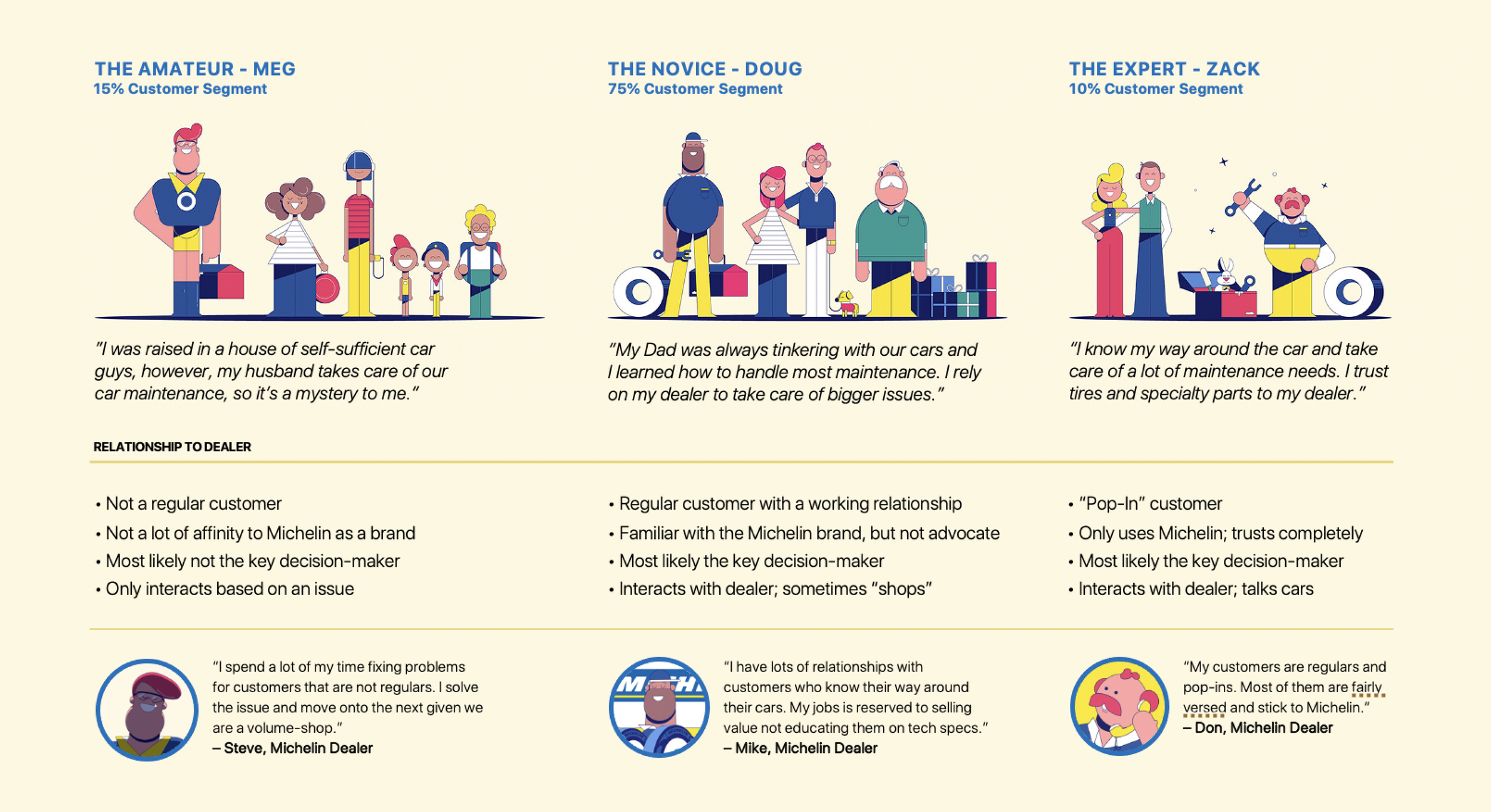
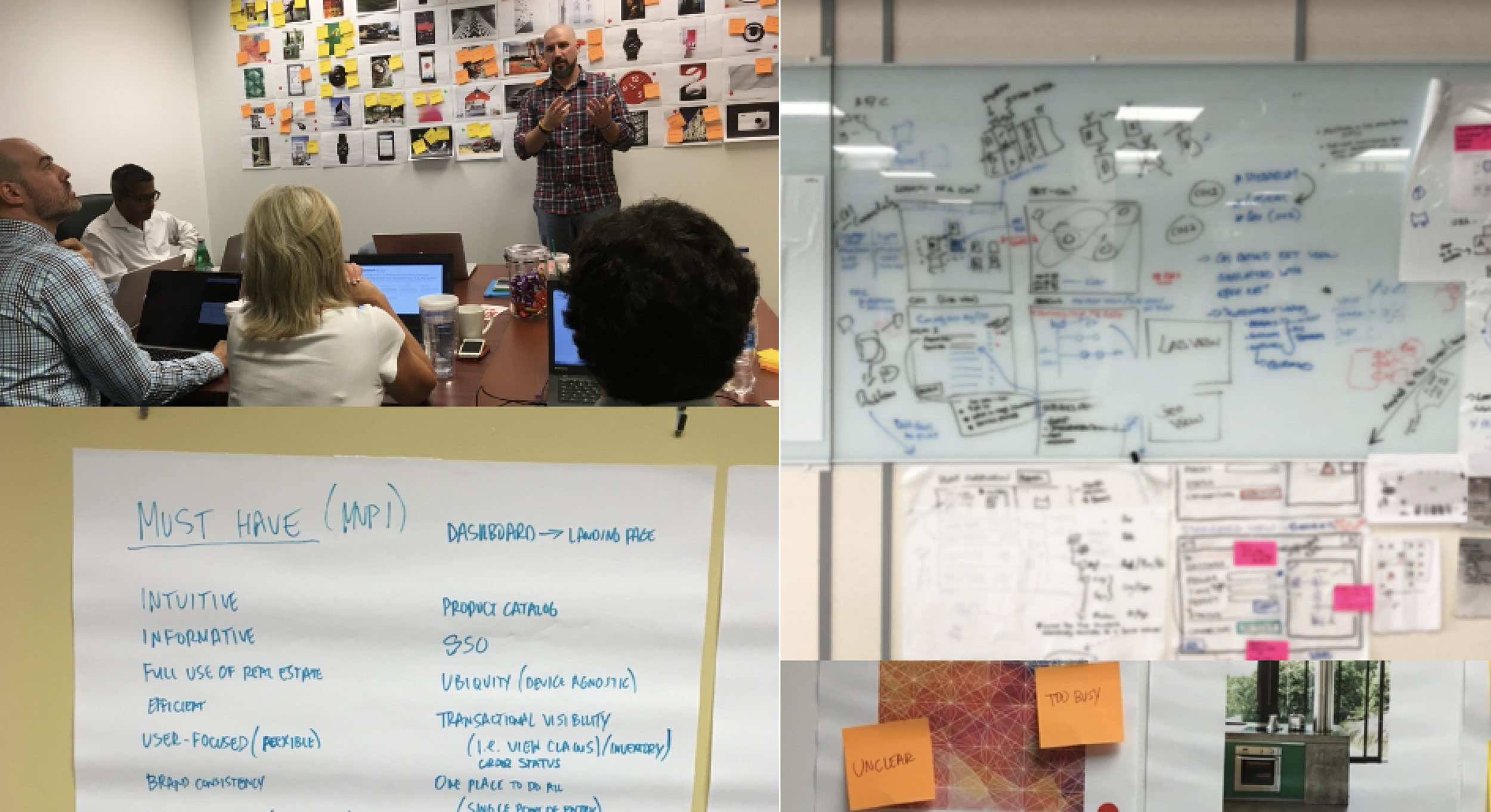
Our interviews with dealers and customers surfaced a wide range of new insights. With stakeholder alignment shifting, we accelerated into rapid co-creation sprints, keeping customers and dealers closely engaged.
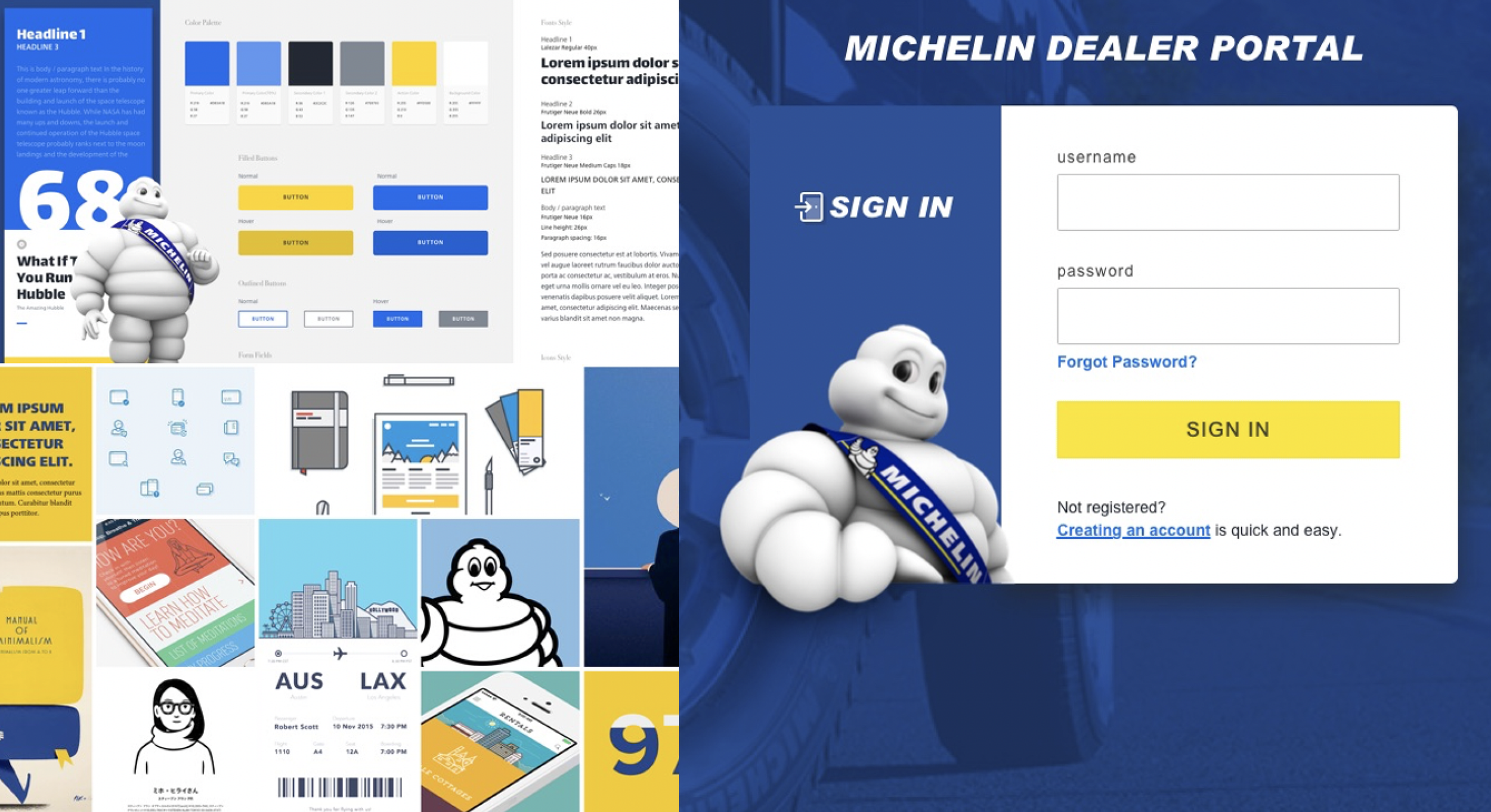
Outside the original brief, we quickly recognized that Michelin’s design language lacked cohesion and mirrored internal silos. I brought together internal brand teams and external vendors to define a consistent, elevated visual identity.
The Solution
During a pivotal testing phase, several early deterrents triggered concern among senior executives in France. To regain alignment, we moved fast—leveraging our strategic framework to produce concise video vignettes that demonstrated the program’s value and intent.
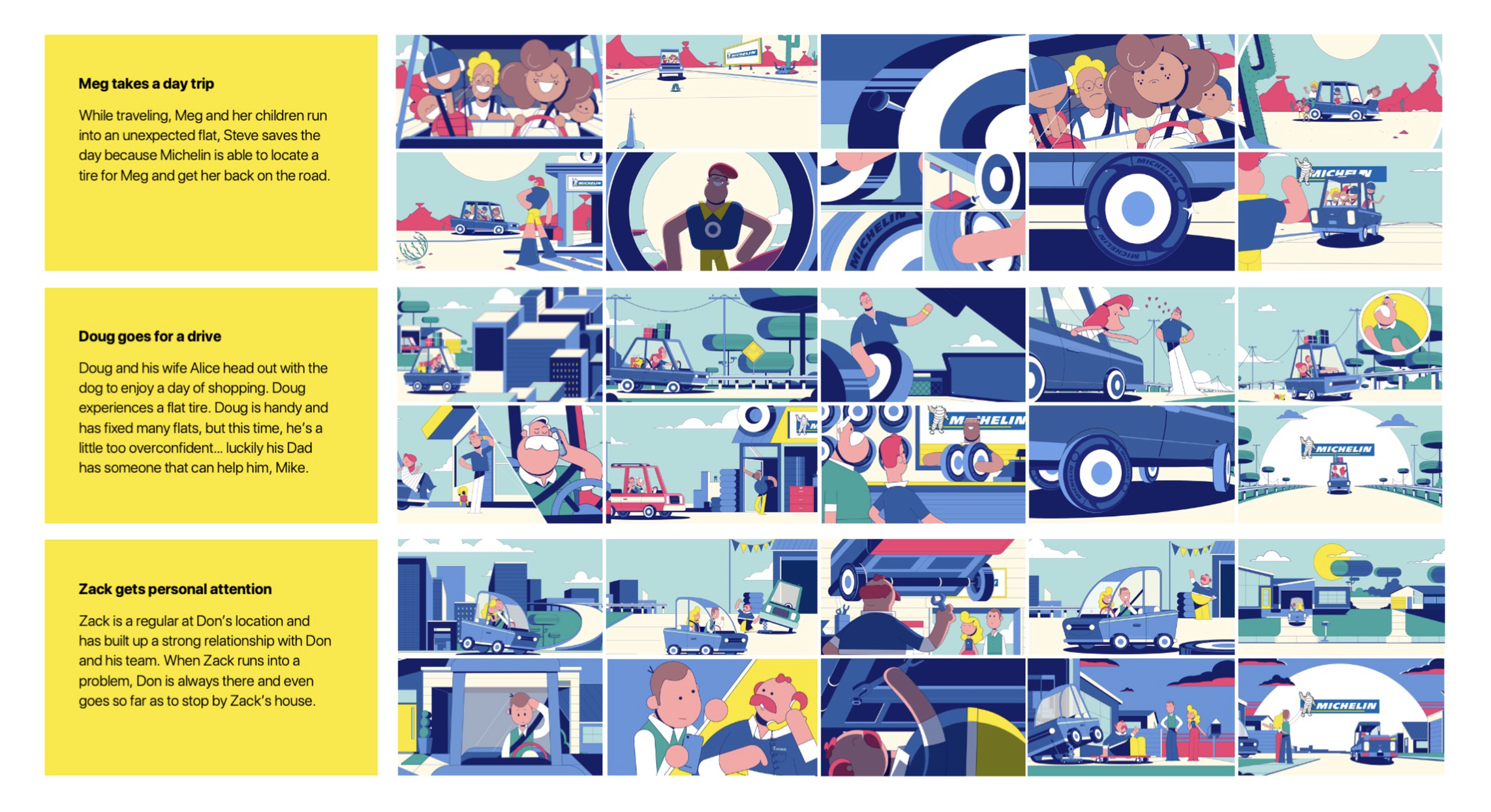
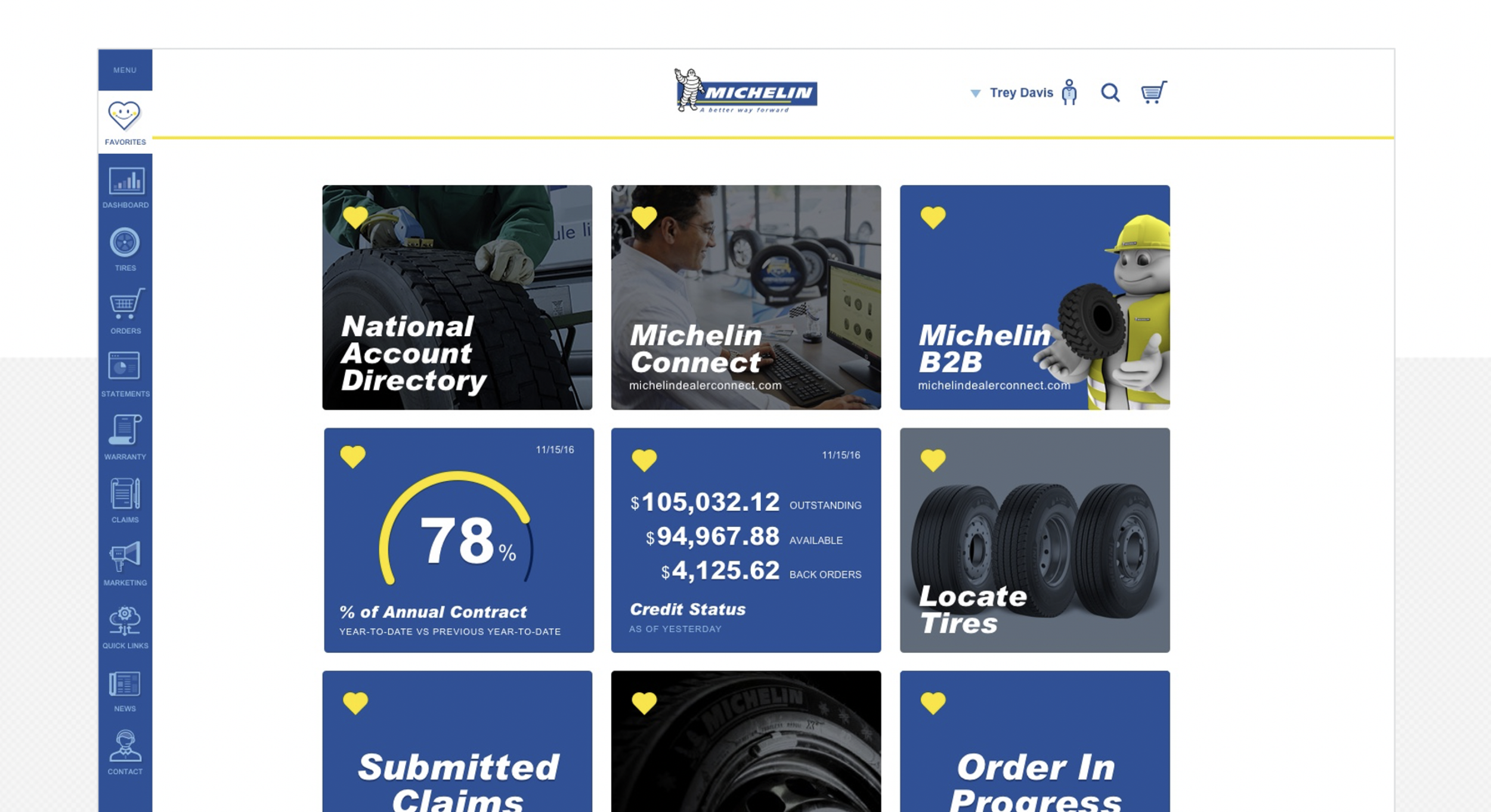
With alignment restored, we moved forward quickly. The top priority was the main portal experience—previously a major pain point for dealers and central to Michelin’s goal of delivering a unified, connected platform.
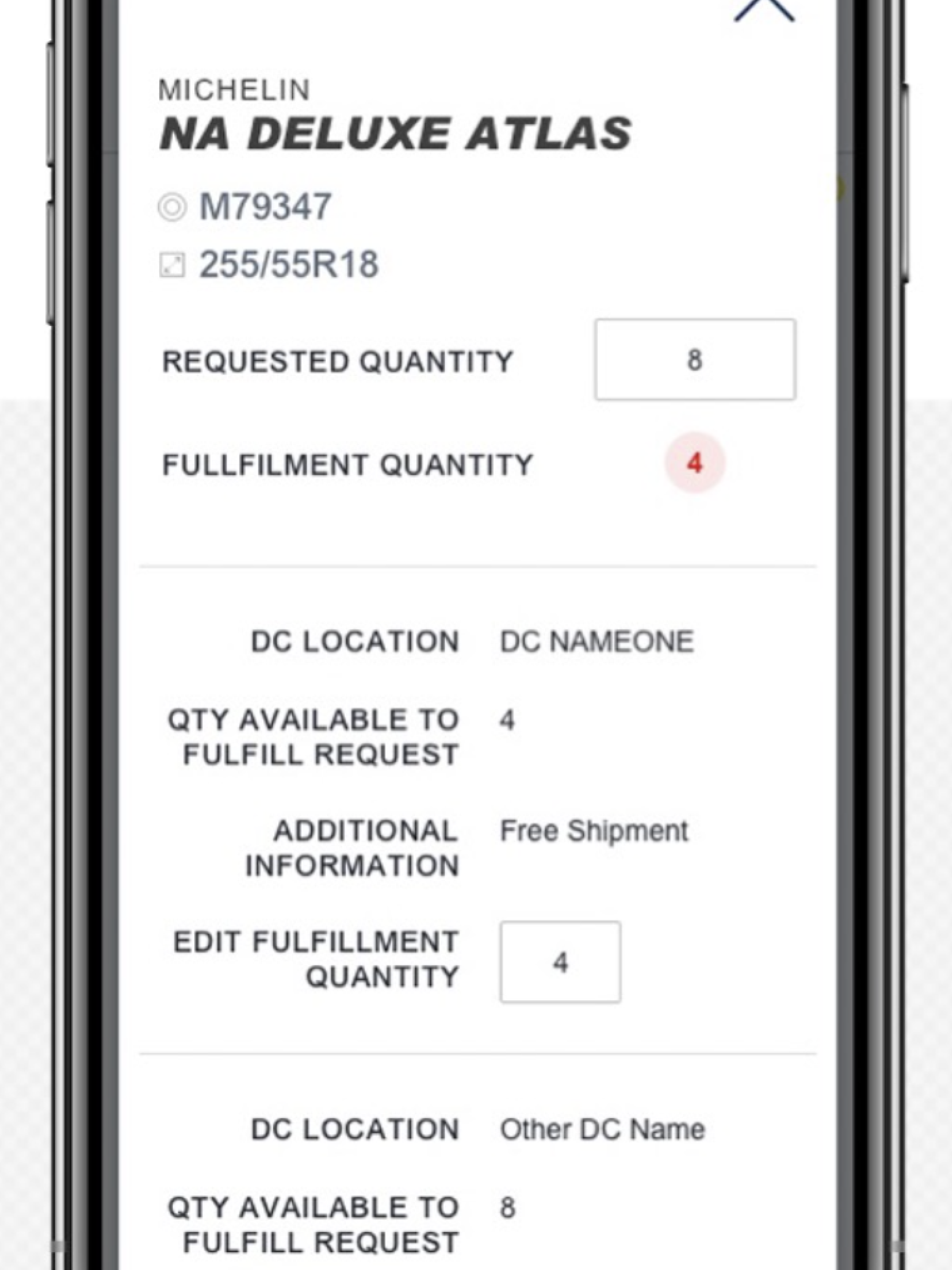
10–12 hours on their feet meant we needed a mobile solution, not a desk one.
-
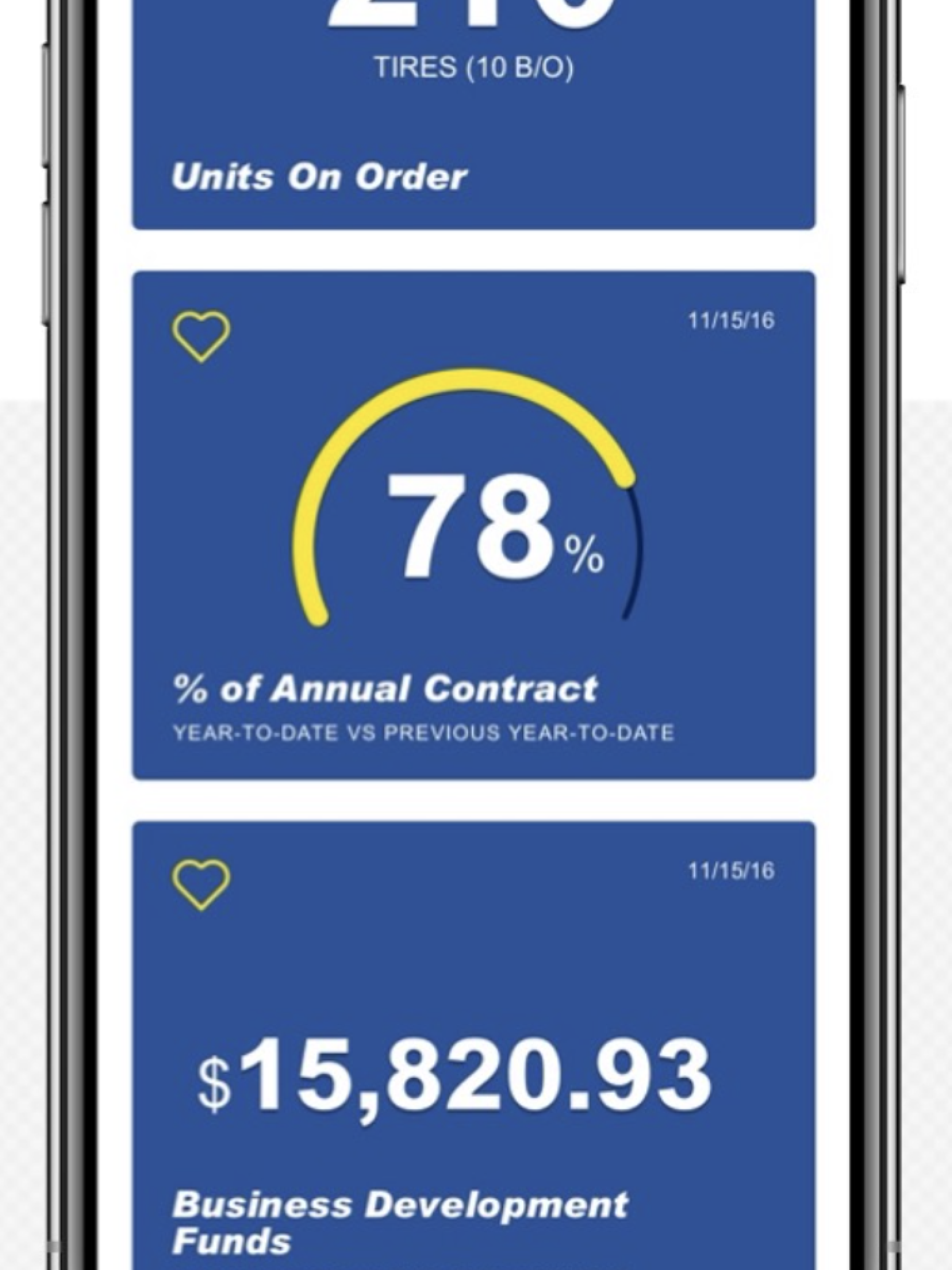
At-a-Glance Control
Dealers wanted rapid, skimmable insight into account status so they could spot issues and act quickly.
-
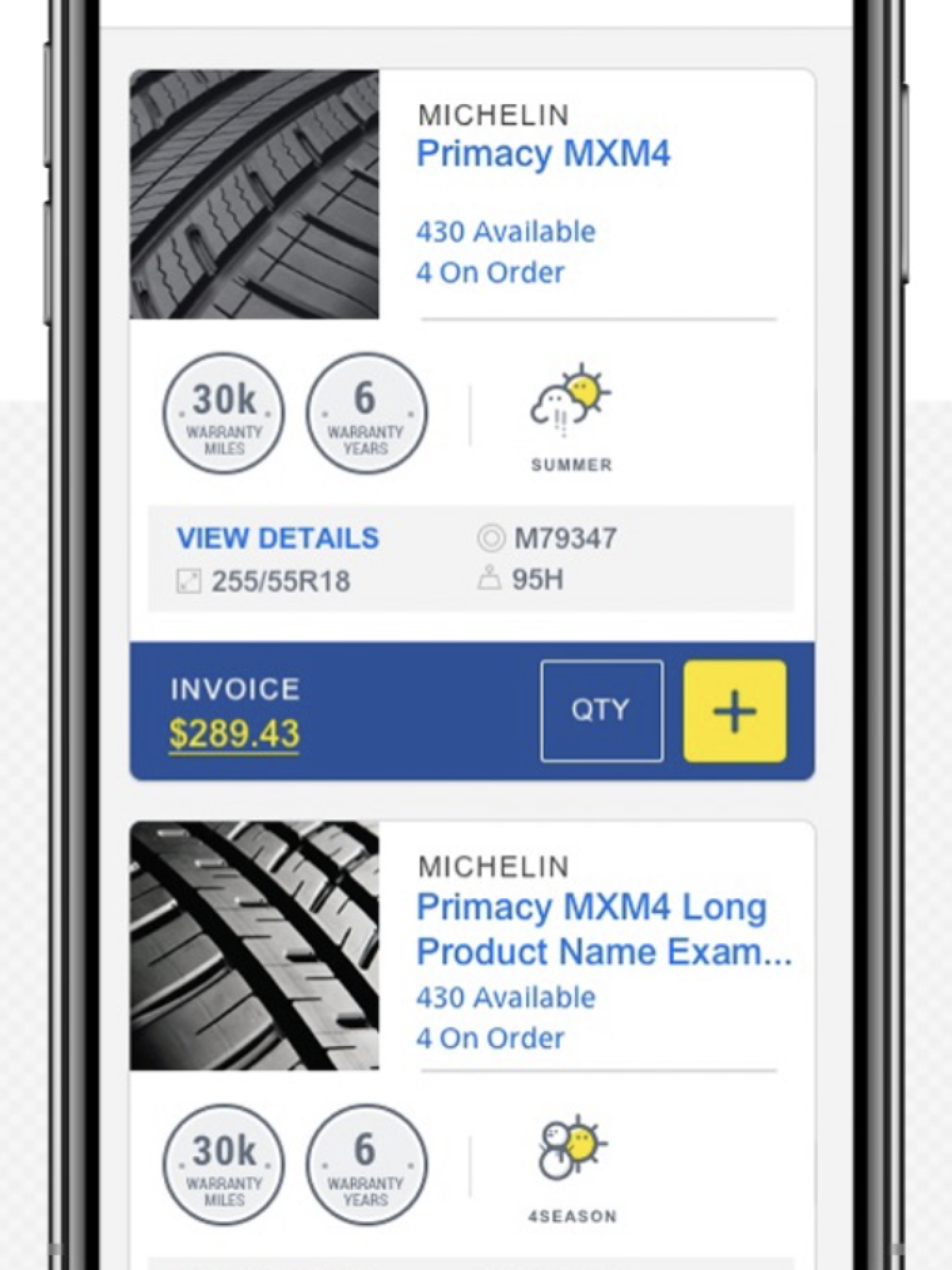
What Dealers Need, When They Need It
Dealers needed context-rich info: key details upfront, more as needed—cutting frustration and speed decisions.
-
Structured Details, Smoother Tasks
We embedded critical details into decision points so dealers stayed oriented while multitasking.
Outcomes
Michelin’s core challenge was becoming more agile. Working with Salesforce, it built a real-time platform that unified tire data, sales history, and customer information. Paired with redesigned processes, the platform streamlined communication between sales teams and customers and reshaped how leads, delivery times, and product issues were managed. It created a single entry point for orders, distribution, fleet management, and more.
As Sophie Foucque, Director of Michelin’s B2B Digital Factory, noted: “We simplified our processes and used Salesforce to aggregate data and deliver a 360-degree customer view.”
+8
Revised CSAT TO A 9 rating from by dealers after the first 6 months of launch
+93%
Dealer adoption rate of within the first month of launching the new tool
+18%
Increase in YoY sales, with larger increases in previously low territories and under-penetrated markets
#2
Increased J.D. Power competitive ranking in the tire category from #5 to #2 in one year