
Instacart caper
Project Type: Product
Role: Creative and Strategic Direction
Deliverables: Vision & Strategy, UX Research, CPG Retail, In-Store strategy
Introduction
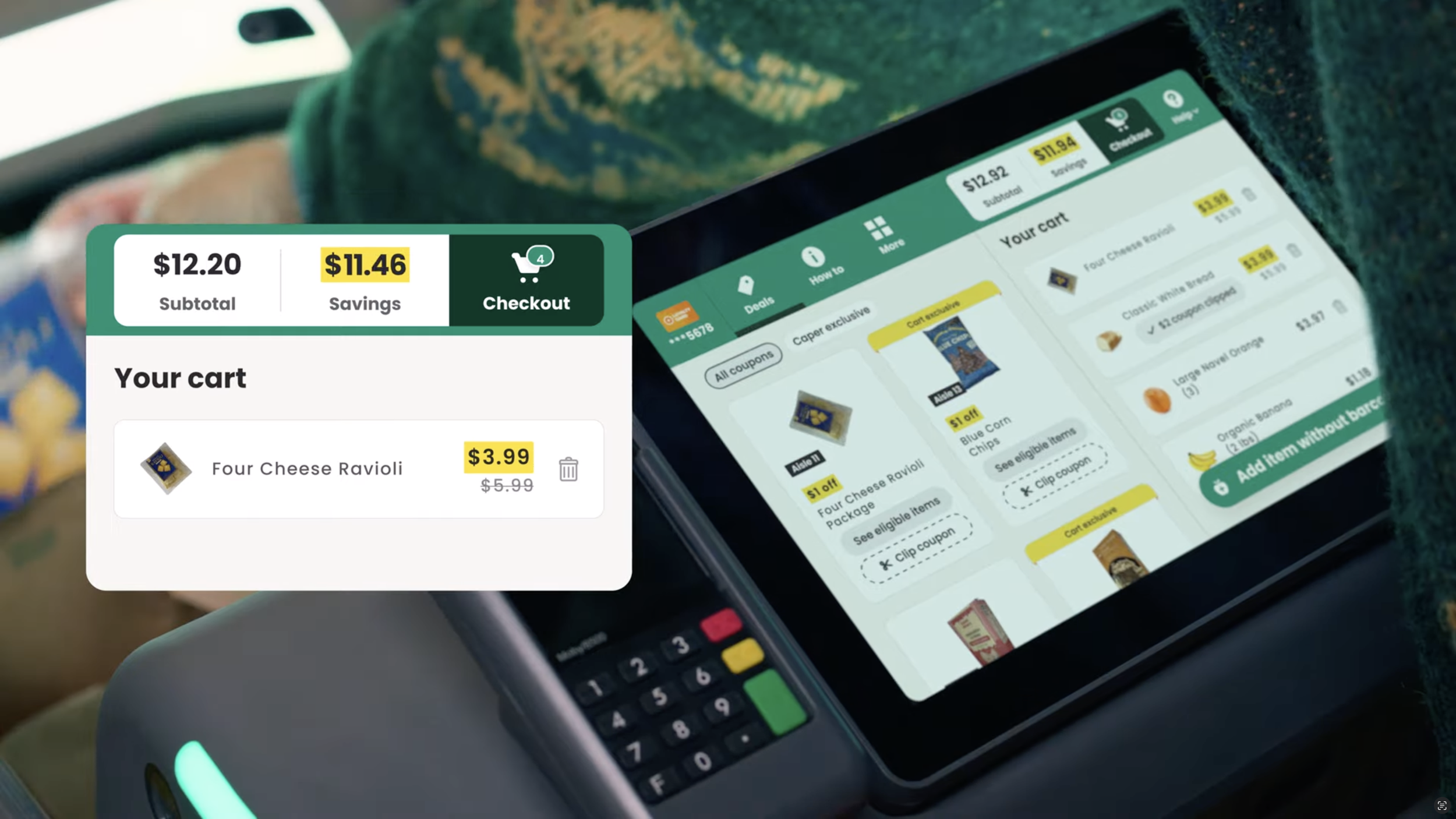
Instacart dominated the market during the pandemic, but as conditions stabilized and competitors caught up, leadership needed new revenue streams ahead of a future IPO. The company launched an ads platform and introduced Caper Carts—smart carts that offered a personalized in-store experience. As demand grew, so did the cost of scaling the hardware. To fund expansion, we built a strategy to monetize the cart platform through ads, driving personalization and new brand partnerships.
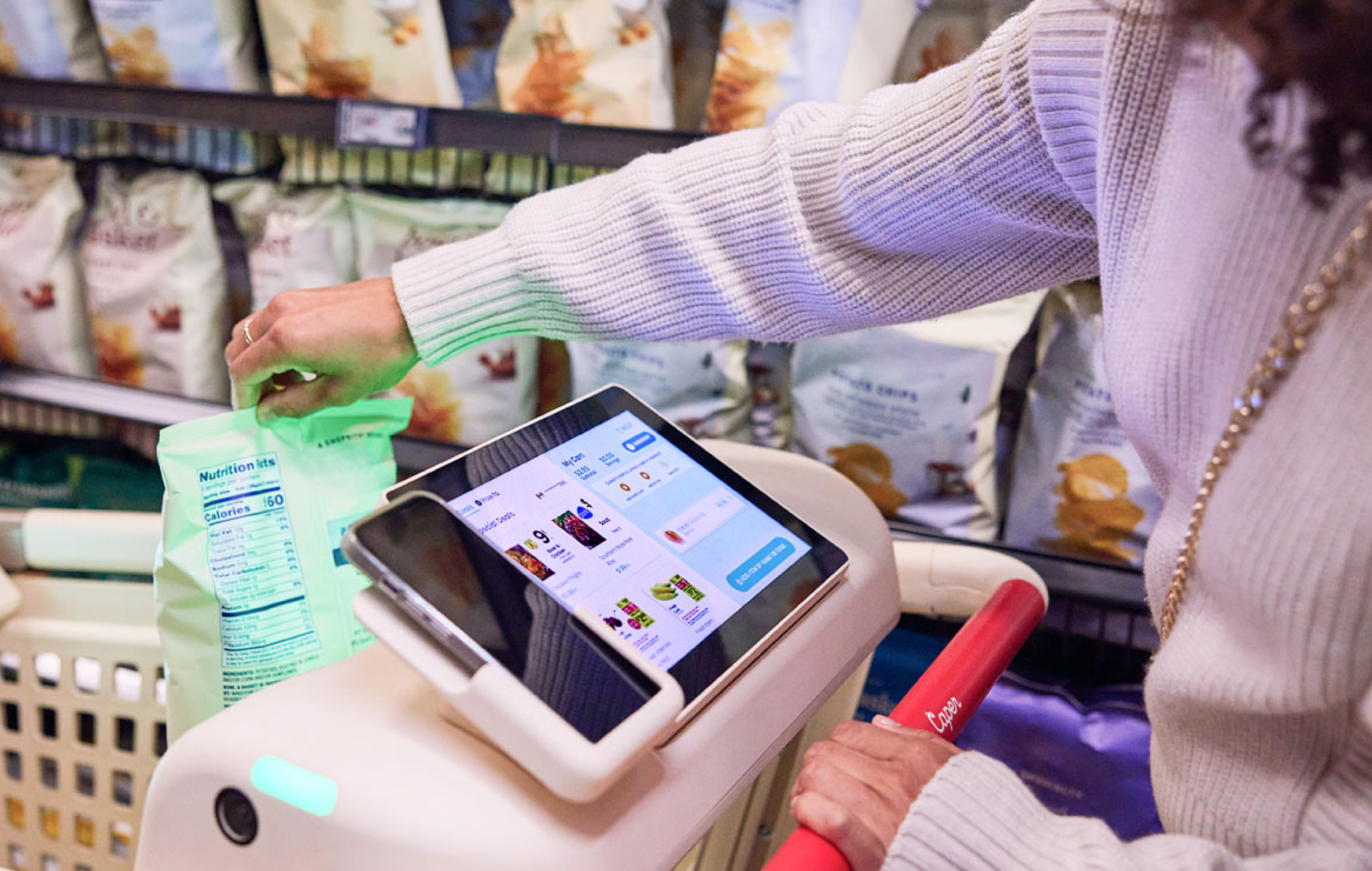
On average, customers spend about 30 minutes per grocery shopping trip.
With customers spending roughly 30 minutes per trip, we saw a clear opportunity: use that sustained engagement to deliver targeted, in-the-moment ads—enhancing personalization while unlocking a new revenue stream.
Approach
Ad placement required precision. Research showed that shoppers typically dismiss ads, and in-store behavior confirmed that most customers are mission-driven—focused on getting in and out fast. Any format we introduced on the cart had to add value, not distraction.
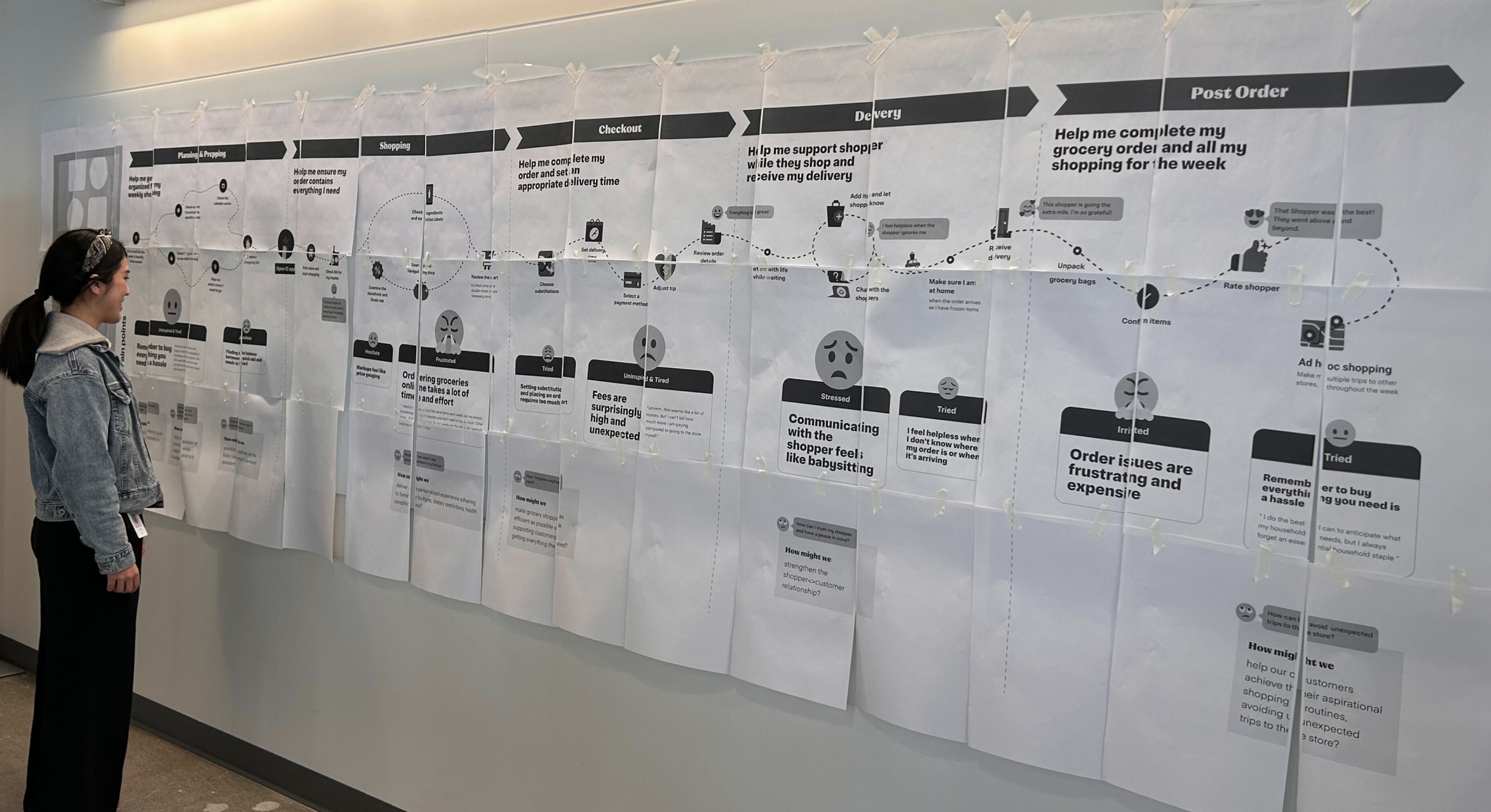
We began by returning to our research and mapping the end-to-end shopping journey to pinpoint high-value moments where ads could be thoughtfully integrated.
With more than 30 minutes of shopper screen time to work with, we established principles to keep every ad placement purposeful and aligned to the in-store experience.
Make it personal.
By syncing the app with the cart, customers gained a connected experience. Ads were targeted only when relevant—enhancing pre-shopping lists, adding savings in-store, and delivering moments of unexpected value or discovery.
Make it delightful.
In-store shopping takes many forms, yet our research revealed that customers often feel rushed and anxious. This opened the door for us to weave in elements of fun—creating a sense of adventure while keeping the experience efficient.
Make it valuable.
We had to ensure savings genuinely benefited customers while also delivering strong ROAS and reach for advertisers. The only way to balance both was through relevance—using the platform to create meaningful, intentional moments.
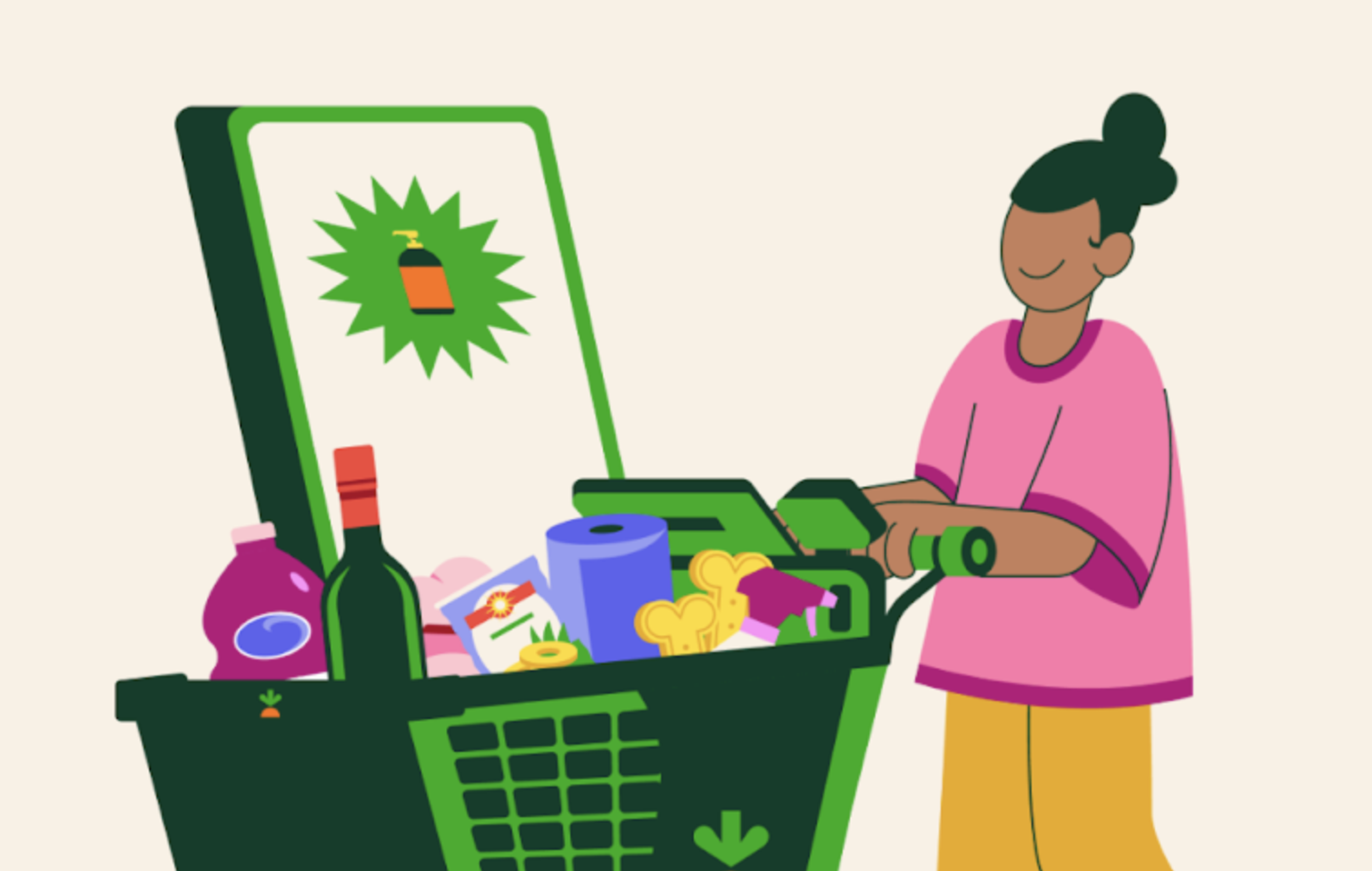
63% of customers surveyed told us that rich media and ads would enhance shopping.
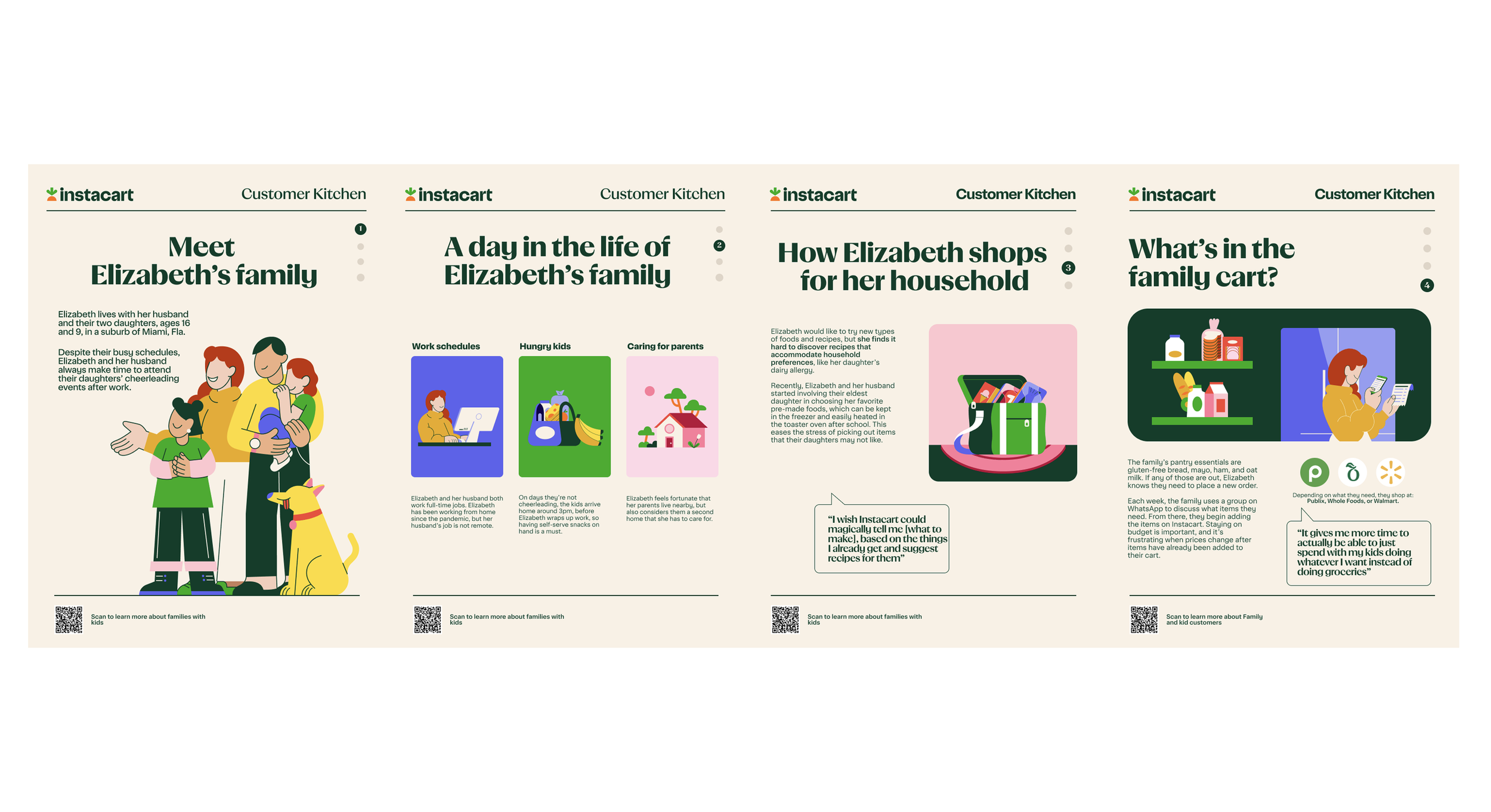
Beyond the principles, we defined target audiences and leveraged insights to guide our early hypotheses. We also launched a user forum, “Customer Kitchen,” which helped us sharpen our understanding and amplify key learnings.
The Solution
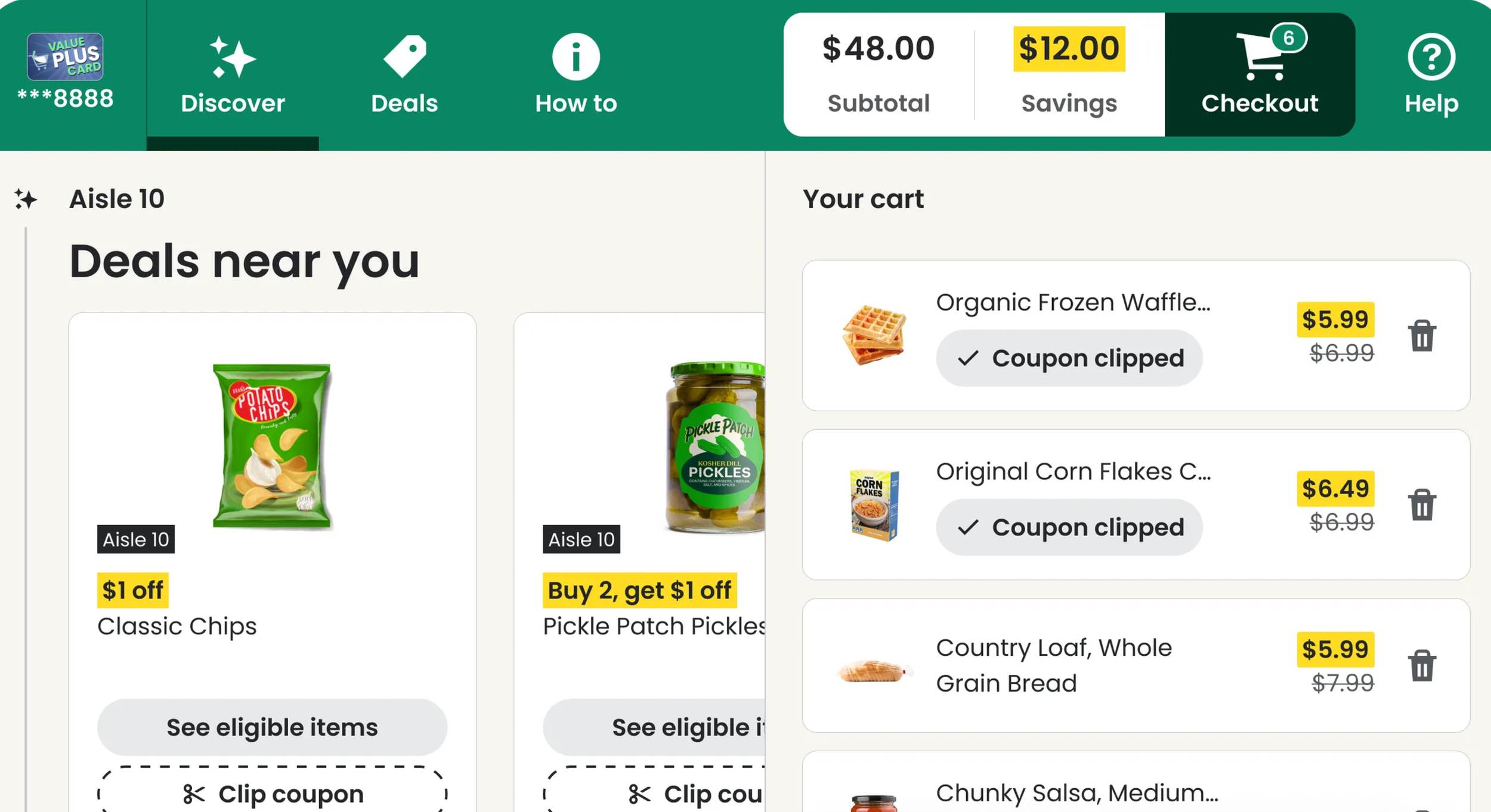
We built on Caper’s existing screen framework, evaluating static and motion formats to define our ads strategy. Our approach centered on two types of placements: brand and seasonal promotions as customers begin shopping, and real-time personalized recommendations throughout the trip. Given that more than 70% of Caper users rely on coupons, we made savings a primary driver within the cart experience.
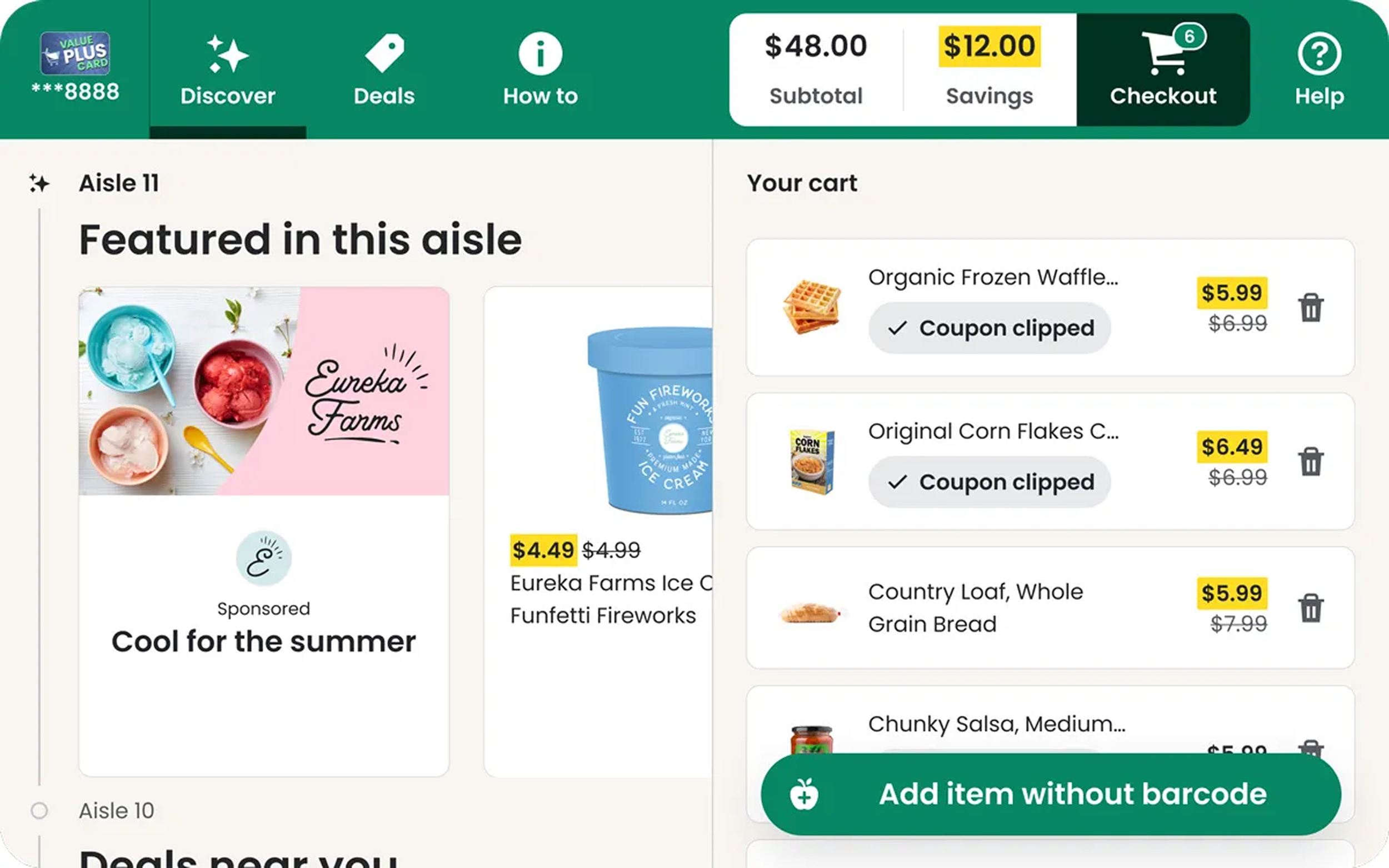
Customers get immediate savings on carted items, along with relevant brand recommendations that extend today’s familiar in-store formats.
Testing revealed that some customers enjoyed the idea of turning grocery shopping into an adventure, similar to game quests. We prototyped a mini-game called Quests, offering rewards and credits for completing challenges. It proved so successful that it became a new ad format sold to retailers and brands.
Testing revealed that some customers enjoyed the idea of turning grocery shopping into an adventure, similar to game quests. We prototyped a mini-game called Quests, offering rewards and credits for completing challenges. It proved so successful that it became a new ad format sold to retailers and brands.
One example: finish a treasure-map route in the store, and a flash deal appears for a new-to-you product.
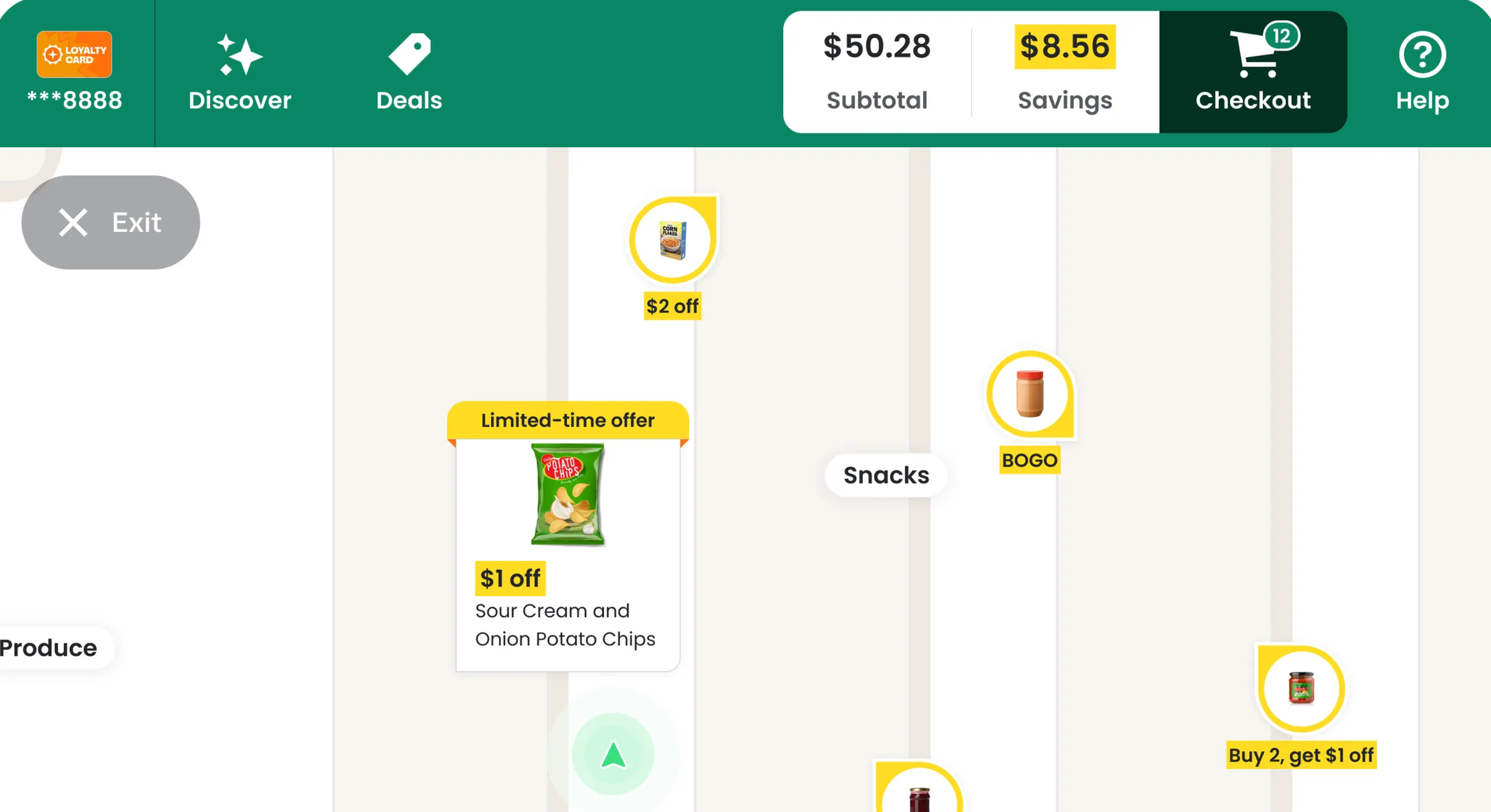
Shoppers can also earn a reward for using Caper Carts and completing a quest when they shop.

To encourage return trips, we linked the experience to the app and created a loyalty bonus center that rewarded customers with extra savings.
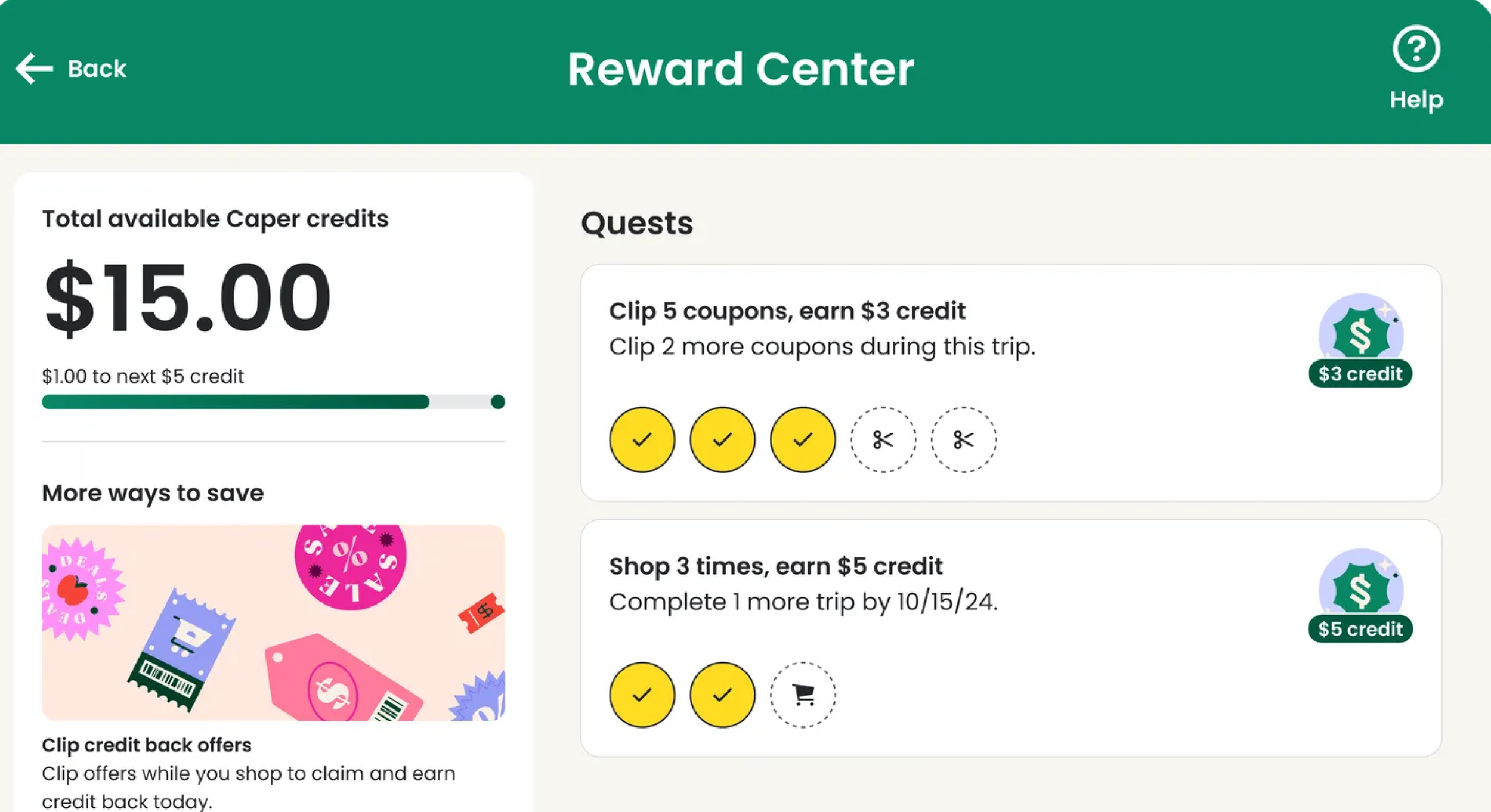
Building on delighters, we created Max—a playful bunny mascot—to bring charm and motivation to the savings experience.
-
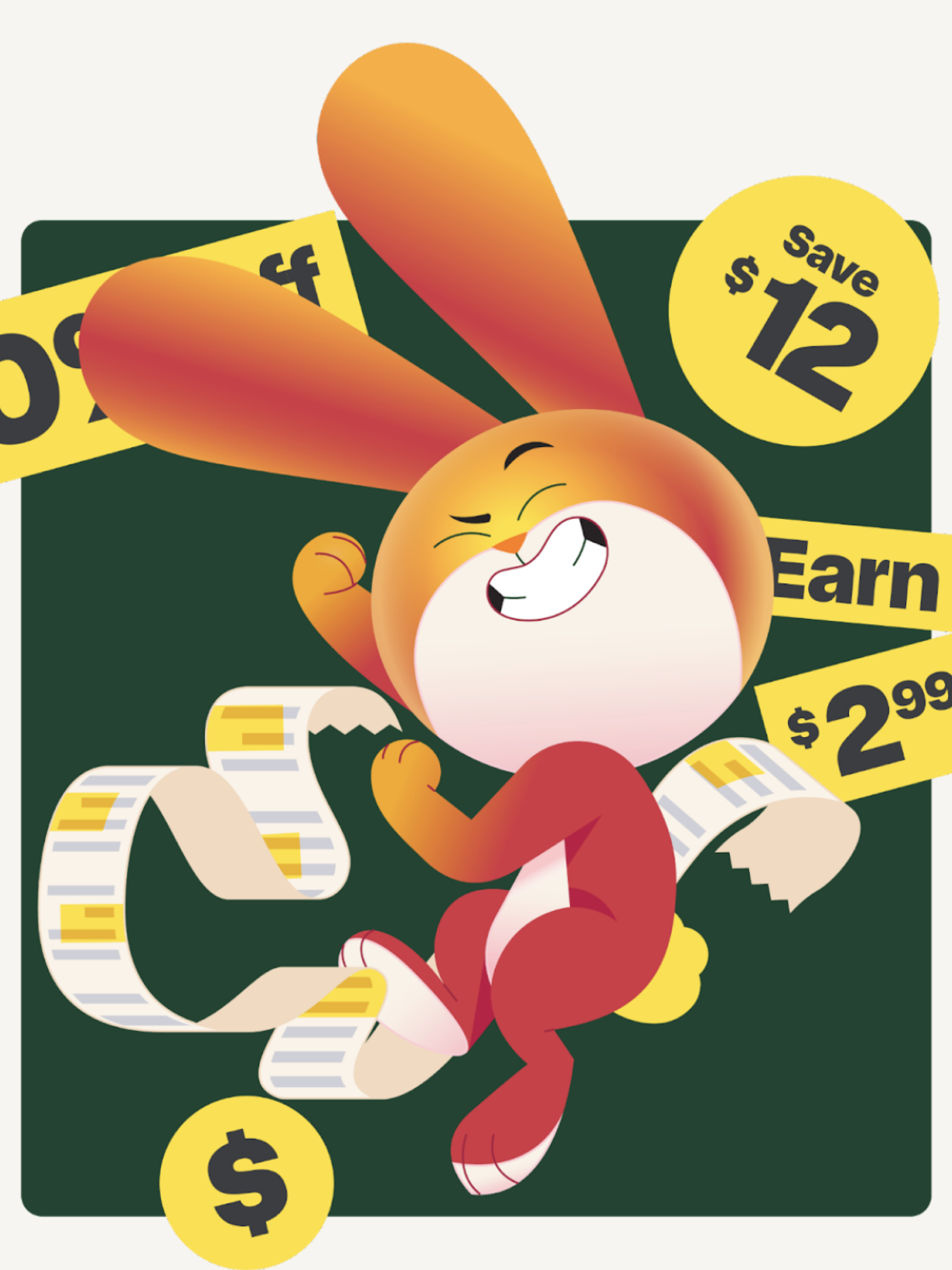
Introducing Max
Drawing inspiration from characters like Bugs Bunny, Max was created to help customers reach their “maximum savings potential.”
-
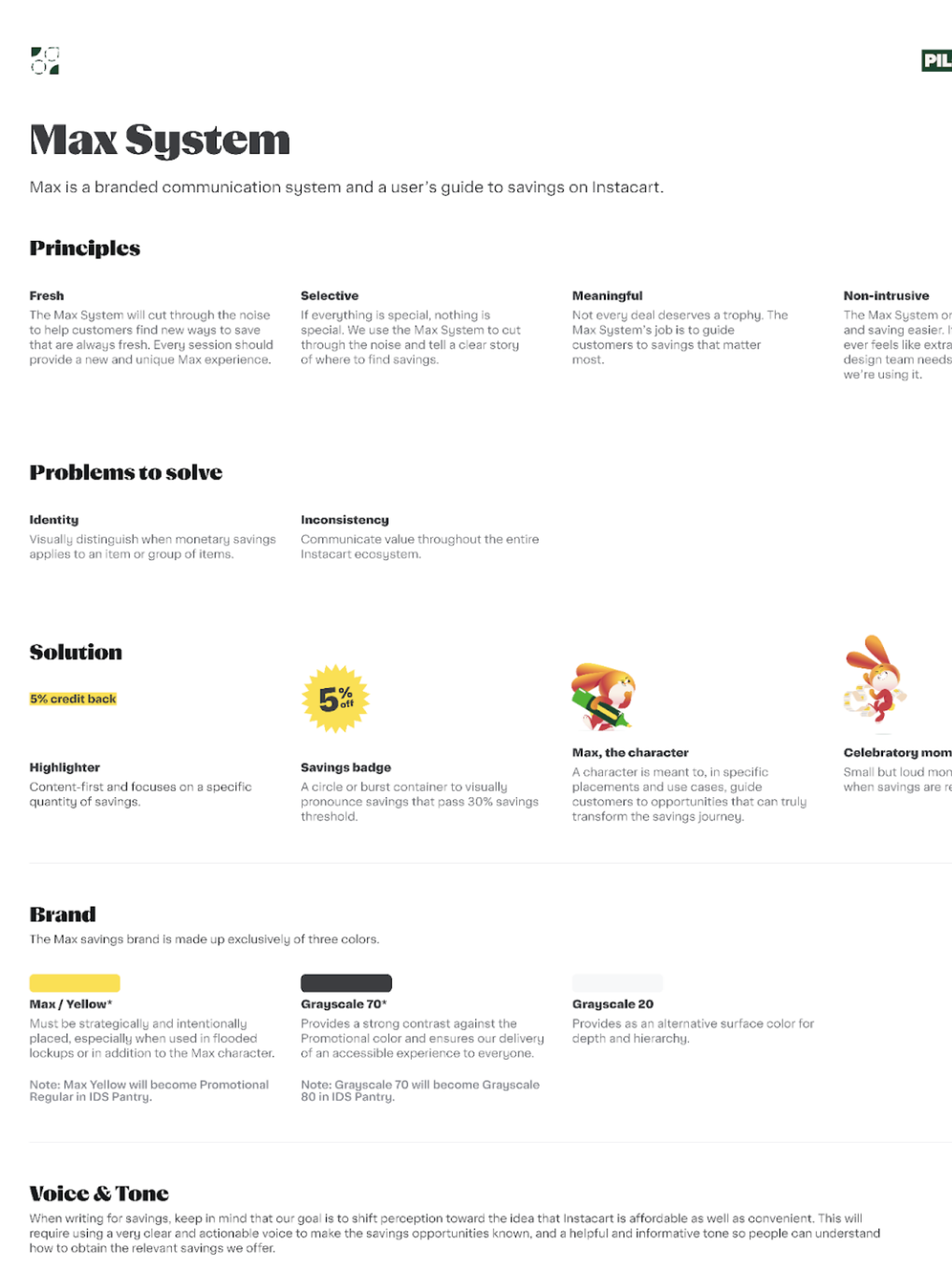
Max System
We created a savings system woven into the entire shopping journey, surfacing dollar-level savings at every relevant moment.
-
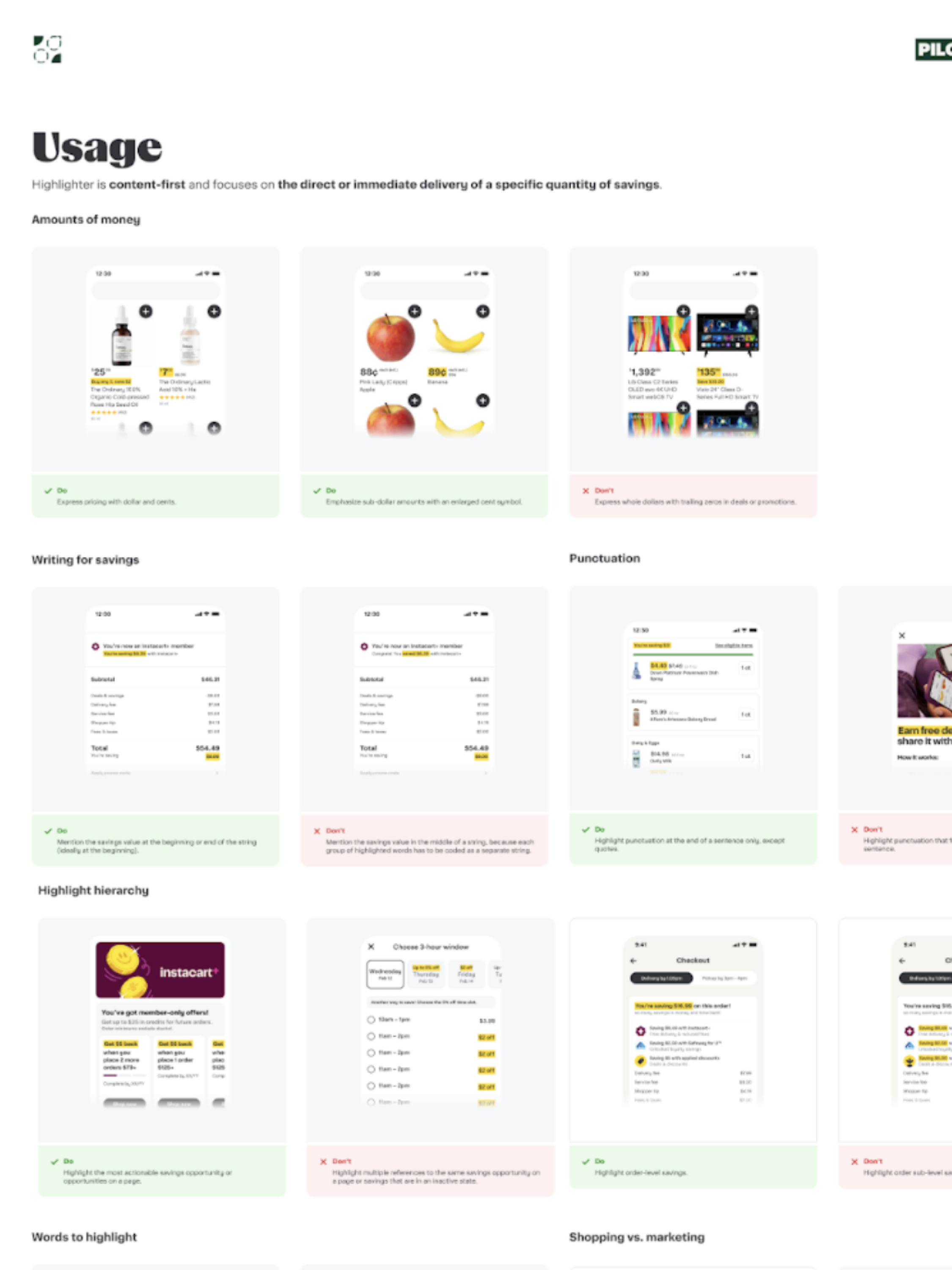
Design for Savings
We expanded the design language to take advantage of max and the new systems across the platform—not just capers—providing us with more scale.
Outcomes
We saw exceptional early adoption from major brands—Pepsi among the first to participate.
“By tailoring advertising on Instacart’s smart Caper Carts, we can connect directly with consumers the moment they turn down an aisle, highlighting products and offers that resonate with their specific shopping preferences,” said Mike Glaser, PepsiCo’s VP of Commerce.
Instacart CEO Fidji Simo added:
“The Caper program—and our vision for connected stores—is transforming how shopping will work in the future. What Brian has done for our Ads program has been remarkable. Extending ads into a new format not only elevated the customer experience but turned a major hardware investment into a new revenue stream.”
+740M
Increase of 11% YoY in ads revenue after first year of launch attributed to Caper Ads
+10K
Increase in cart manufacturing YoY attributed to incremental revenue from Caper ads
80 NPS
Up from 70 YoY with call outs specifically to the Caper program
+100
Brands adopted and invested in the new format within the first 3 months of launch