
Project Meru
Project Type: Product
Role: Creative and Strategic Direction
Deliverables: Vision & Strategy, UX Research, B2B Platform Transformation
Introduction
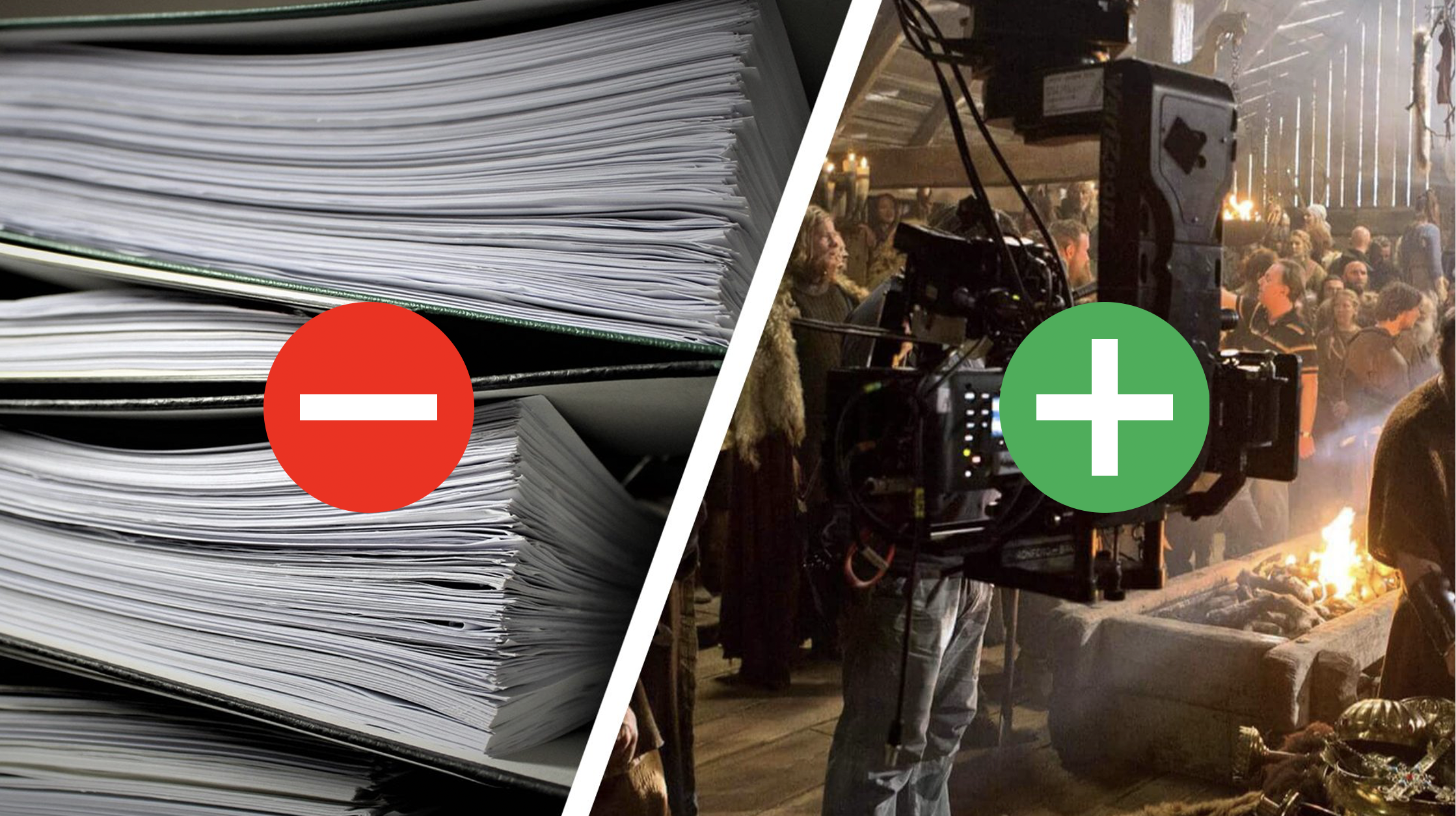
Film-making isn’t as difficult as people imagine—it’s significantly harder.
A full production is a massive coordination effort. Creative teams, technical crews, talent, equipment, and deadlines all converge, and every department must move in lockstep. Lighting, sound, wardrobe, logistics, editing, and on-set direction each demand specialized expertise—and the entire operation can be disrupted by a single misalignment. The challenge isn’t just making something beautiful; it’s keeping every moving piece synchronized from concept through final cut.

$60M lost on average per major film*
*production costs only
With so many interdependent teams and decisions, even small inefficiencies become expensive. Paramount saw a major opportunity: reduce production waste, streamline workflows, and reclaim valuable time between planning and filming. Our role was to help make that future possible.
Approach
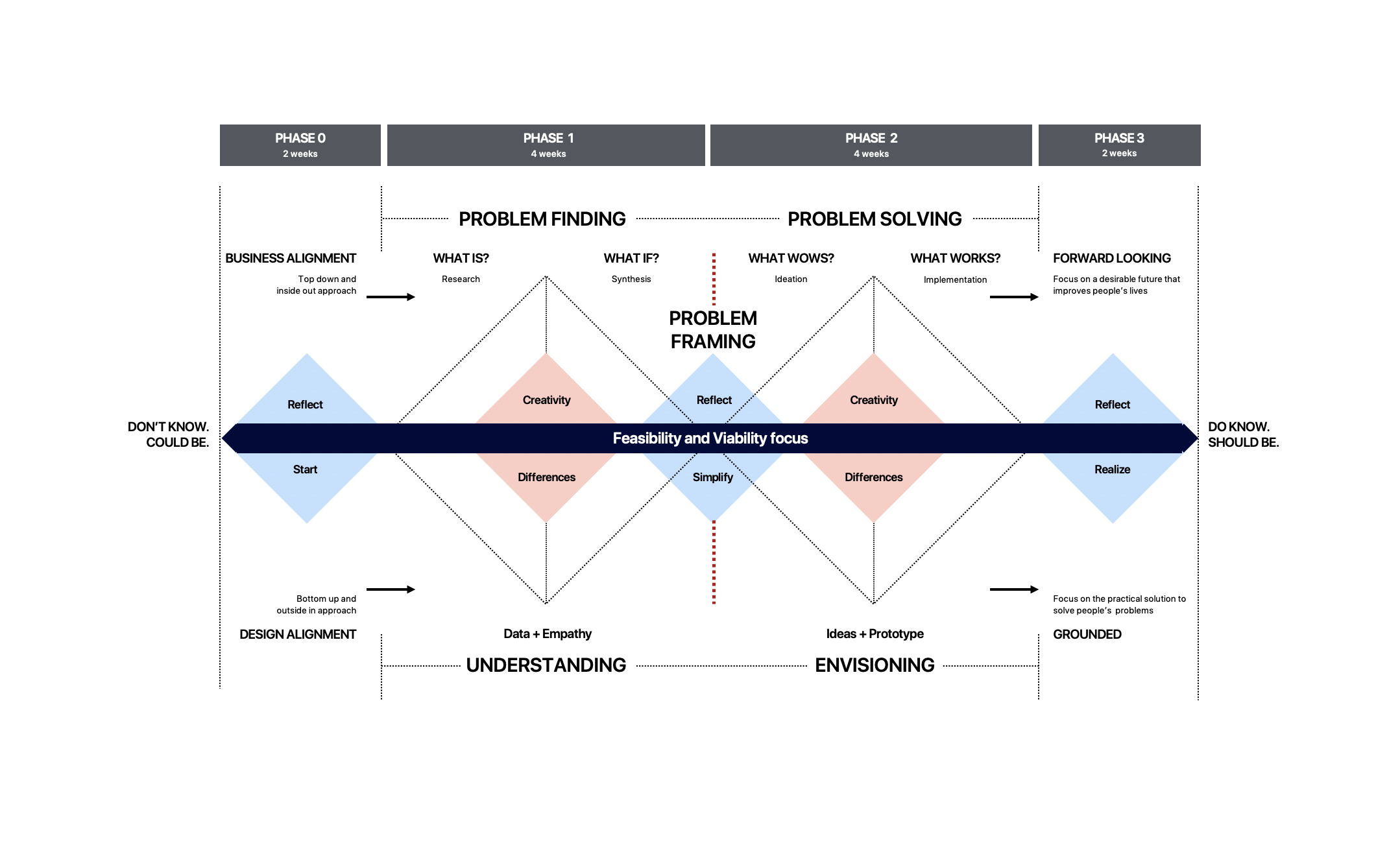
Our approach began with design-driven discovery—stepping back to understand the full landscape before moving forward. We focused on deeply aligning with the business and key stakeholders early, grounding our decisions in insights rather than assumptions. This allowed us to frame the right problems, clarify priorities, and build momentum around a shared vision from the very start.
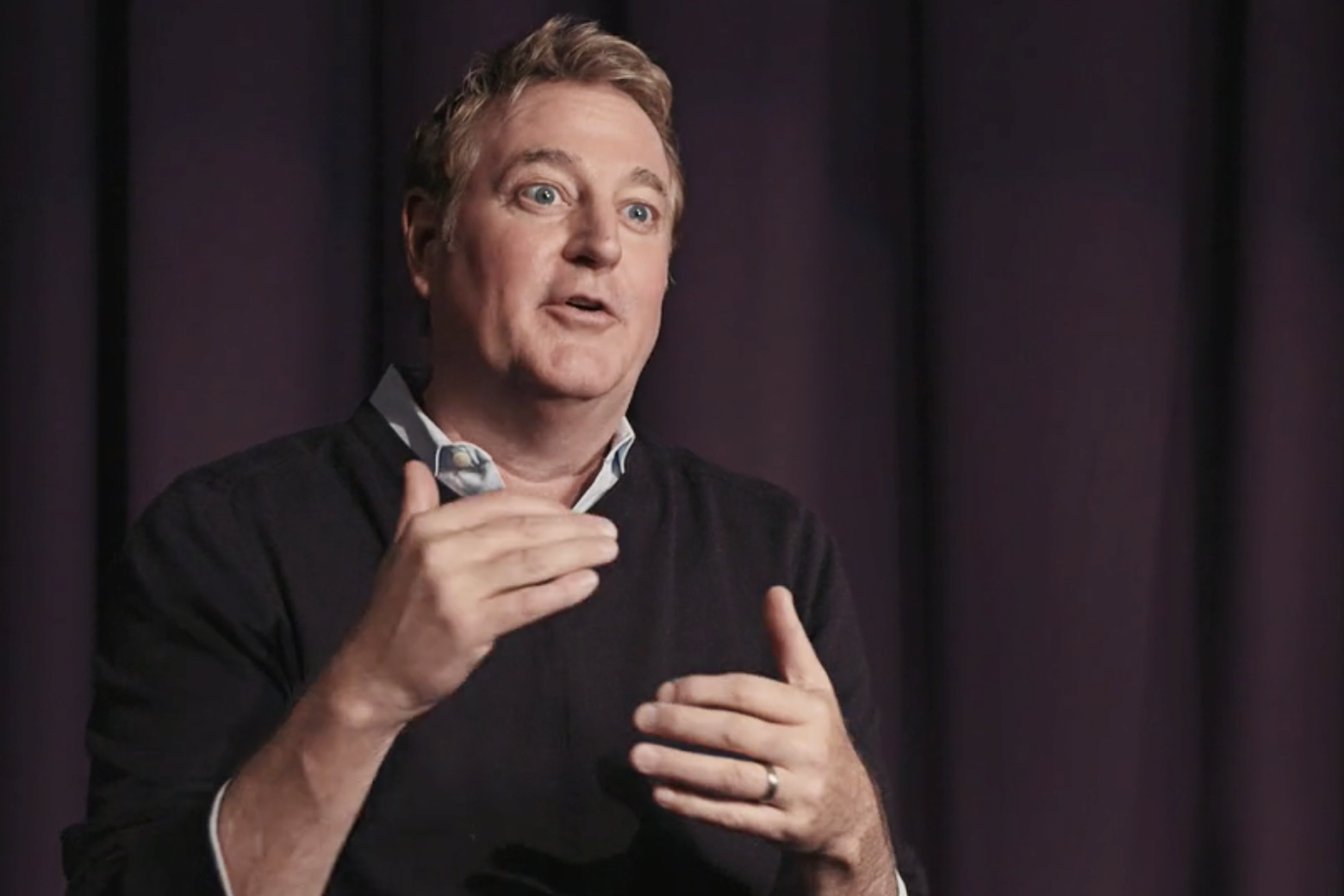
“We know our problems and the solution to fix them.”
— Randy Spendlove, President, Motion Picture Music
Several Paramount leaders expressed early skepticism, unsure whether a design-driven approach could meaningfully improve such entrenched production challenges.
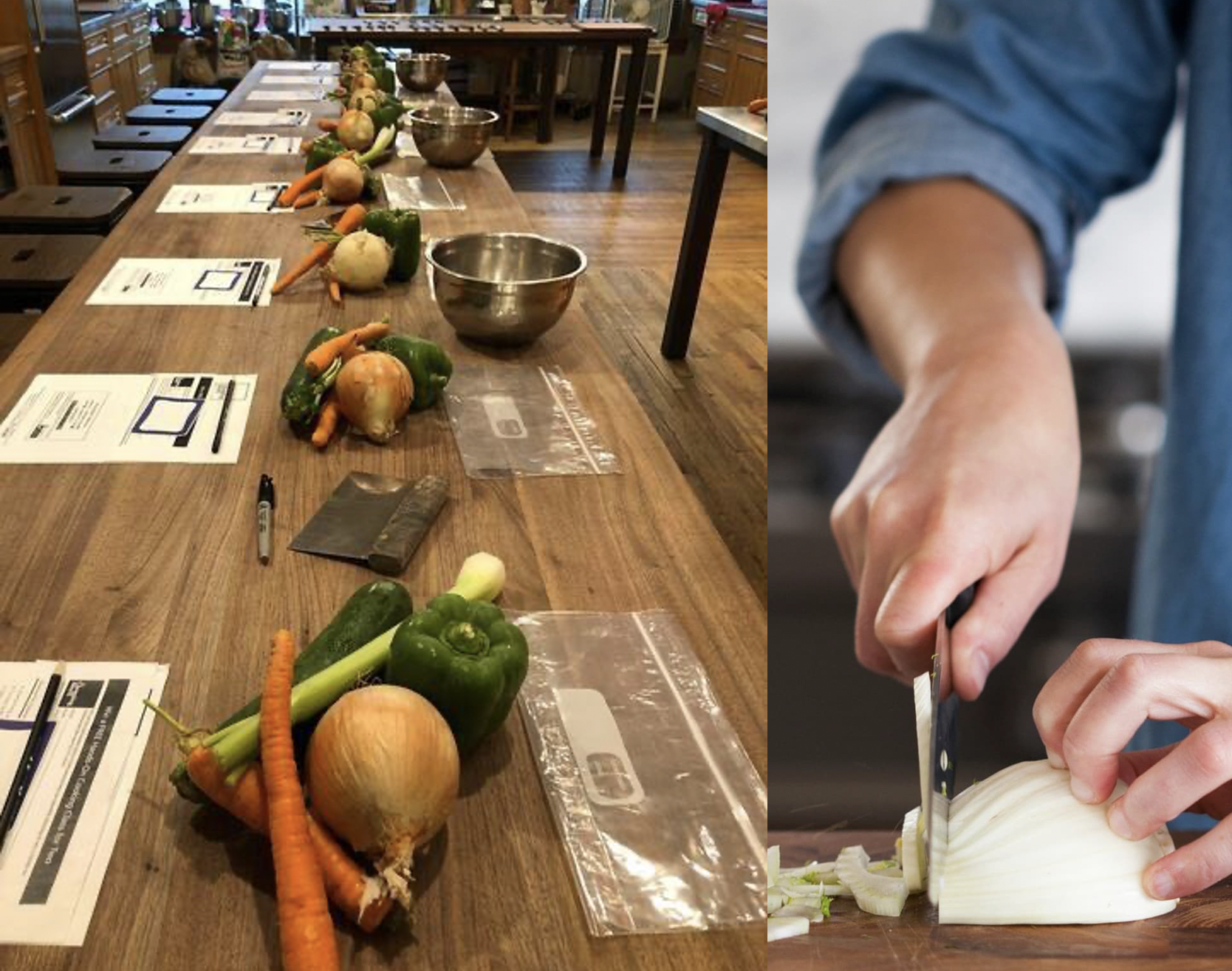
To shift their perspective, we knew we couldn’t rely on slides or theory alone. We needed an approach that let executives see and feel the value of our process. So we introduced “Chef Thinking”—a more experiential, less conventional method that mirrored the craft of cooking. By observing, interacting, and stepping into the rhythm of a kitchen, executives could understand how great outcomes emerge from understanding your guests, defining their needs, crafting the right menu, coordinating the line, testing continuously, and delivering consistently.
And it worked. Seeing the parallels firsthand made the approach click. What once felt abstract suddenly became tangible, and the executives began to understand how a more intentional, design-driven process could reduce waste, improve coordination, and elevate outcomes. The skepticism turned into engagement—and ultimately, belief.
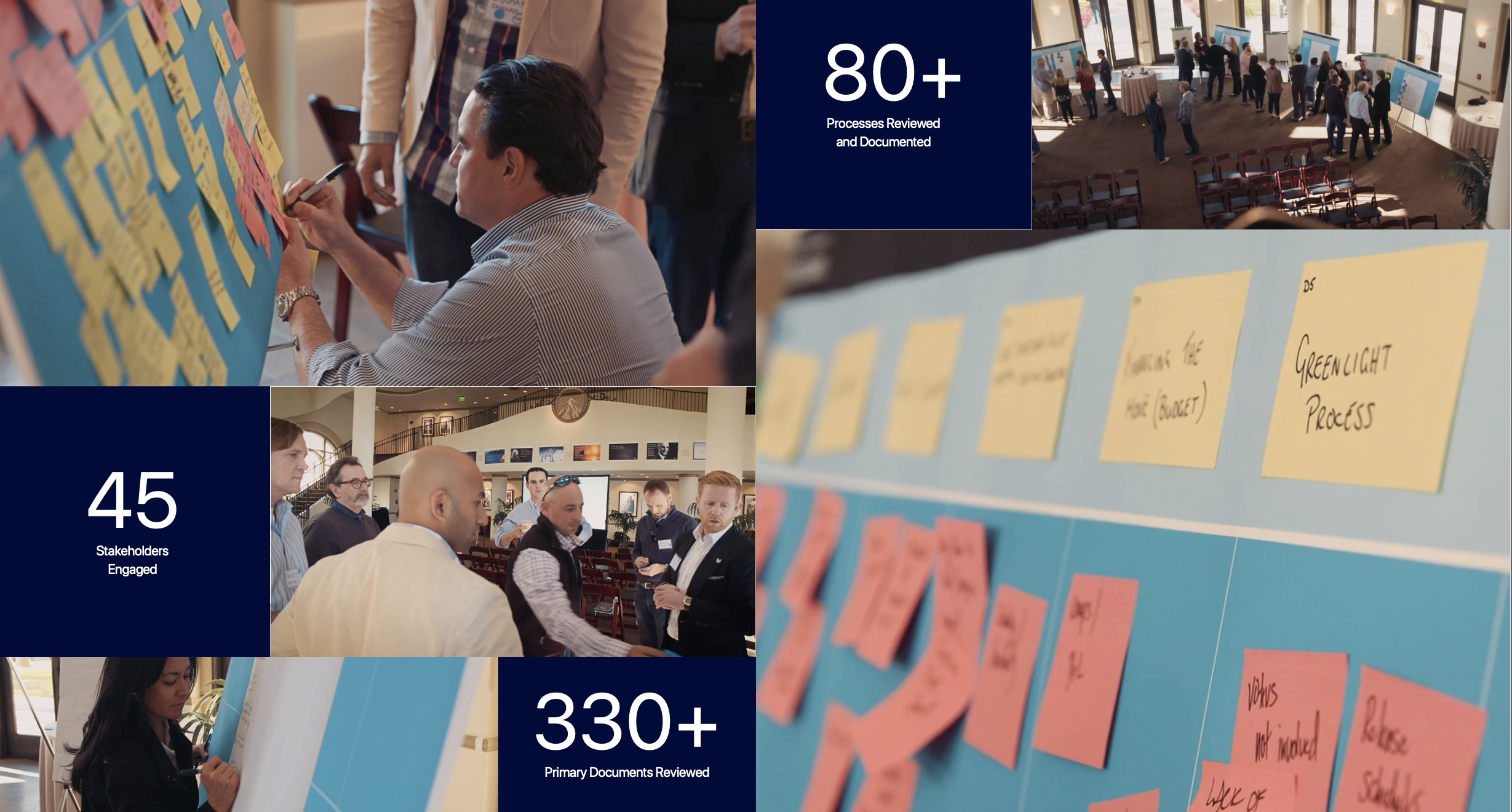
Building on that momentum, we led a three-day working session with executives and key stakeholders across functions and studios. Together, we mapped end-to-end processes, exposed long-standing gaps, and did the cross-functional work that had never been prioritized—finally breaking down the barriers that slowed production for years.
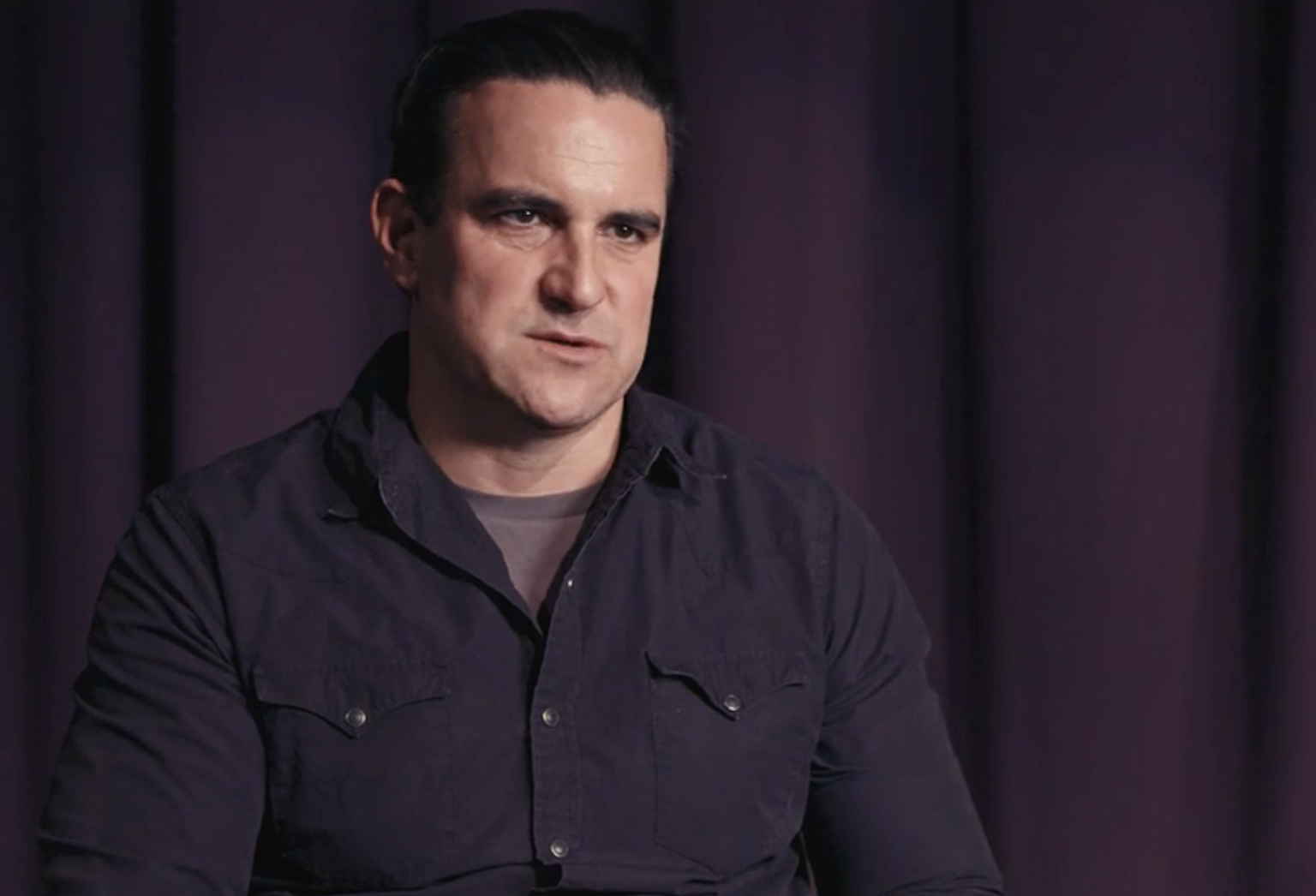
“Success often hides flaws. Our question became: ‘Can we do better?’”
— Mark Vahradian President, DiBonaventura Pictures Executive Producer, Transformers Franchise
The Solution
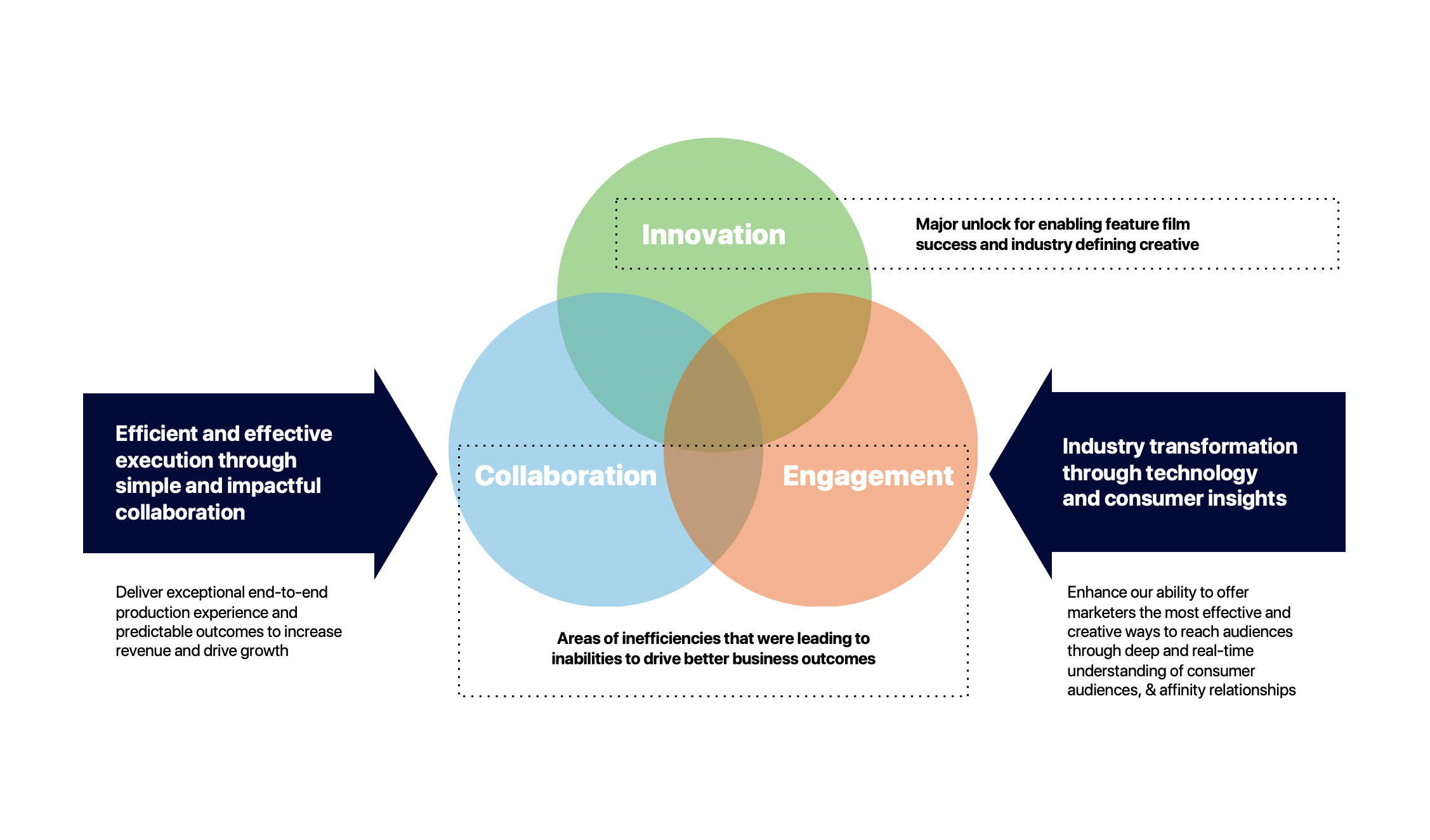
If we improved production efficiency, could we free creative talent to focus more on making great work instead of chasing information? Could we increase the quality of the final product—or even create one to three additional films each year? And if we improved marketing effectiveness, could we deliver campaigns with greater precision, lift opening-weekend performance, drive exponential box-office gains, and ultimately increase profit margin per film? These became the core questions guiding our exploration.
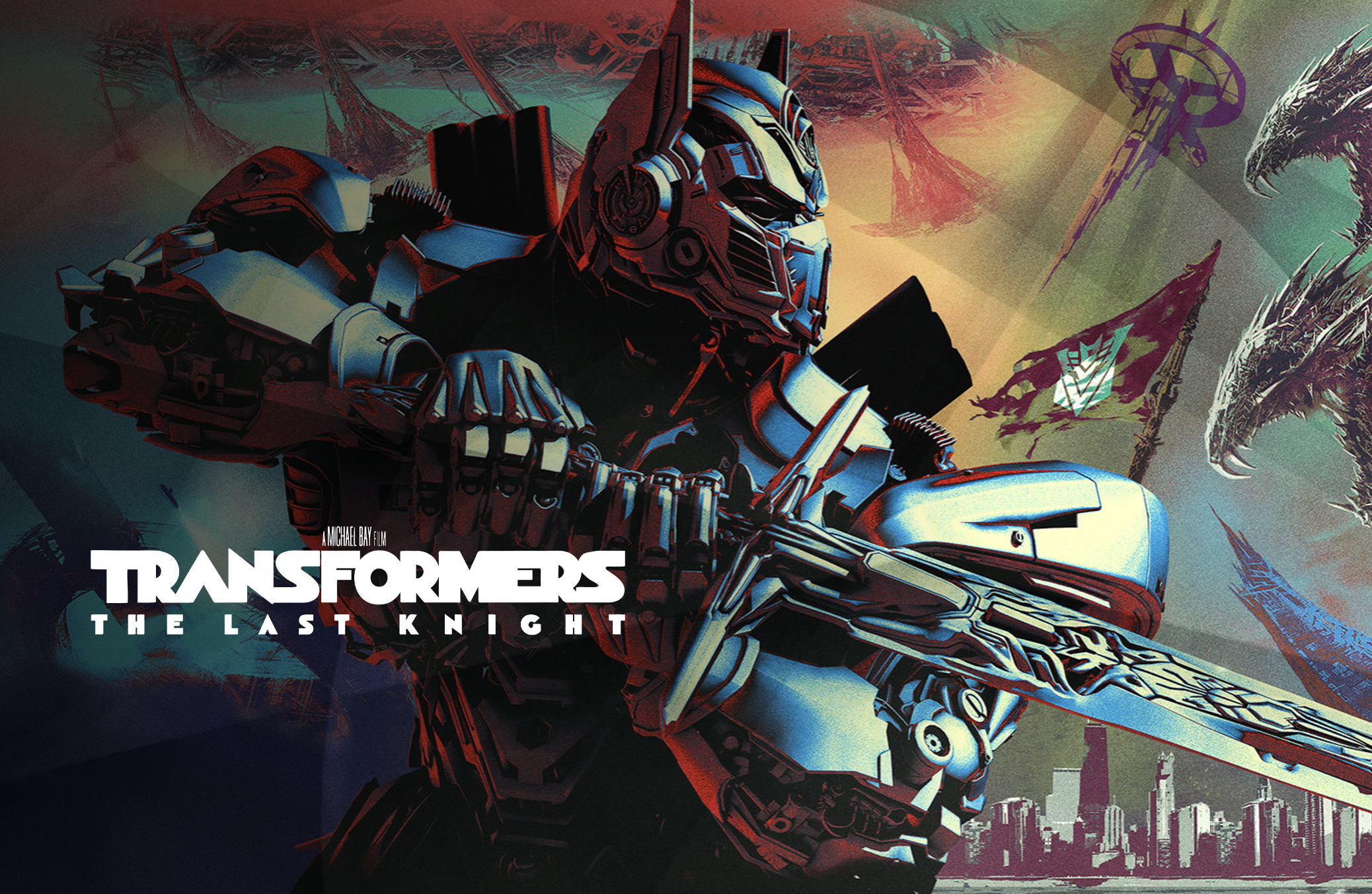
To validate our approach, the studio asked us to apply it to an active production: Transformers: The Last Knight. With its massive scope, tight timelines, and high coordination demands, it served as an ideal environment to understand the realities of a major film in motion. The intensity of the production exposed the breakdowns, inefficiencies, and coordination challenges that weren’t visible from conference rooms or process maps.
Seeing the operation firsthand allowed us to quantify where time was lost, where communication stalled, and where over-complexity drove unnecessary cost. This real-world lens gave us the evidence we needed to refine our strategy—and gave the executives confidence that our approach could scale across the entire studio.
The studio asked us to keep our pilot hidden, so we gave it the codename Meru. Like Mount Meru—the symbolic center of all existence—Paramount’s Meru aimed to centralize production information and communication, creating a more efficient, connected way to make films.

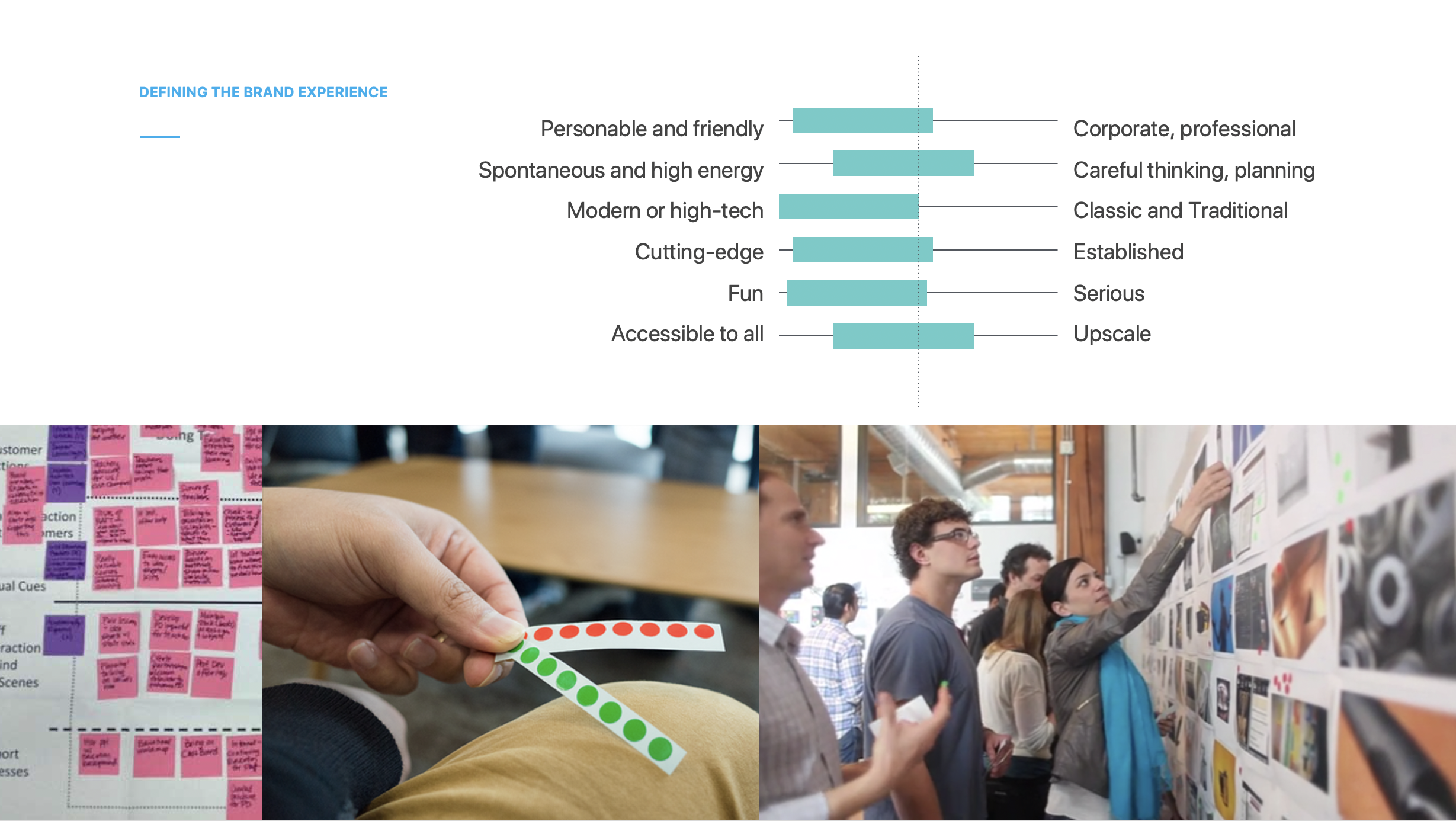
We began by defining the brand experience. Until this point, Paramount operated under a centralized brand, but the reality felt fractured—different studios, tools, and technology stacks each presented their own interpretations. Our first step was to create unity: a brand experience that could scale across the entire ecosystem while still honoring the individuality of each studio
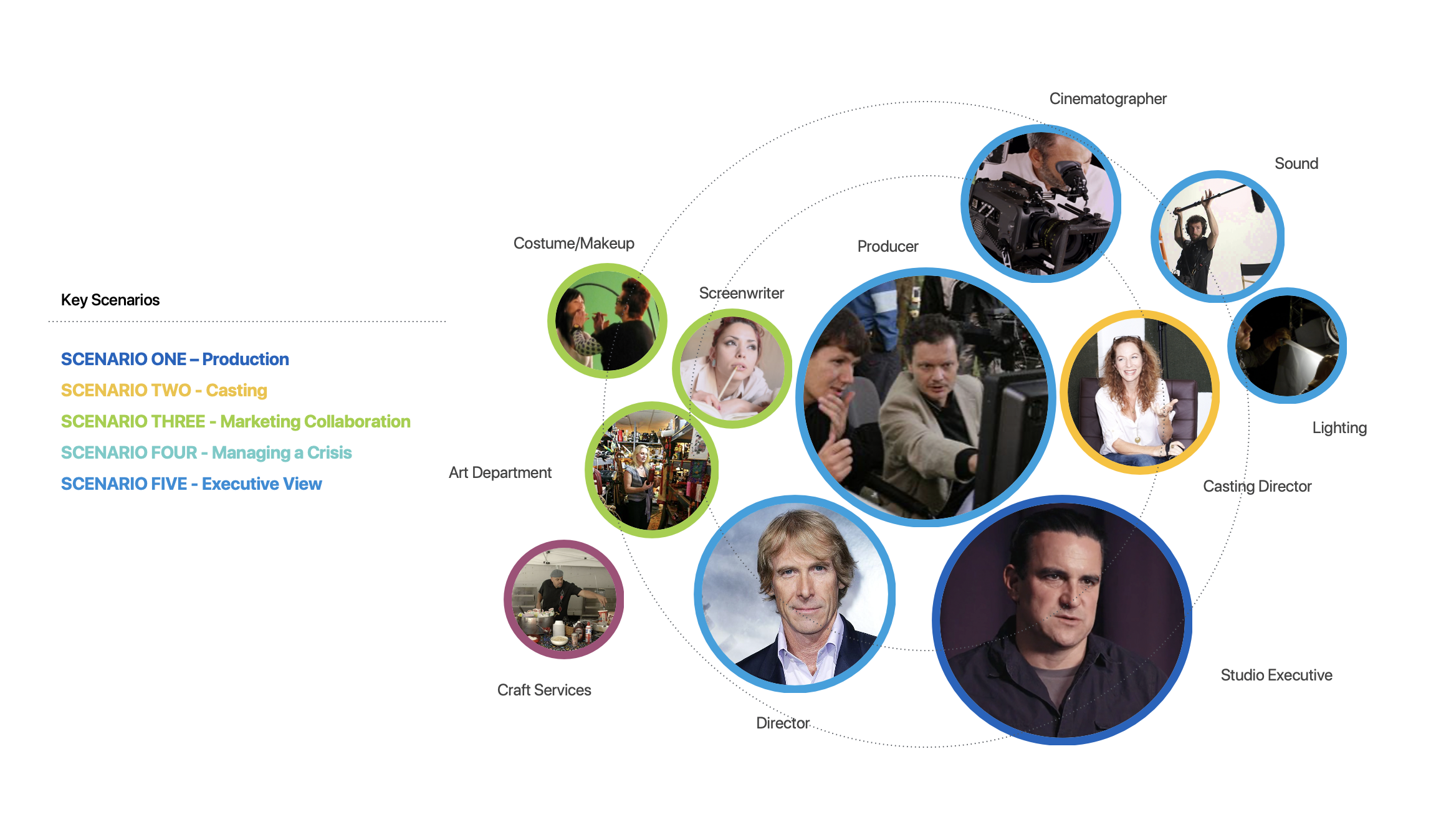
After aligning on the brand, we shifted our focus to the people using the system. We identified key user groups and examined how they operated within the current production process, surfacing what motivated them, where they struggled, and how they interacted with one another. These insights highlighted the gaps and pain points Meru needed to solve.
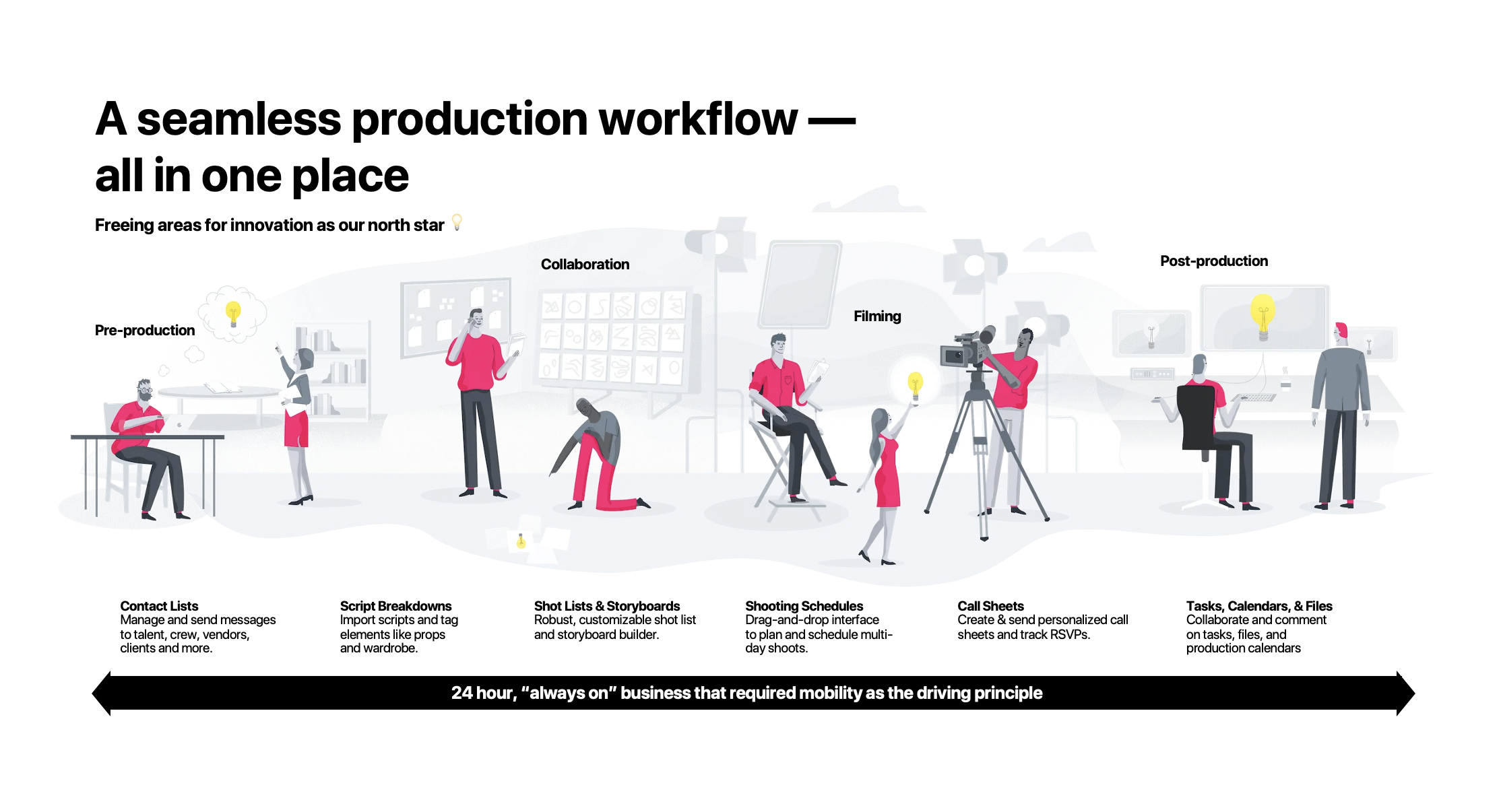
With a deeper understanding of users and their pain points, we aligned the organization around a single, shared workflow. This created a unified foundation for how productions should run—clarifying responsibilities, reducing ambiguity, and giving all teams a consistent structure to operate from.
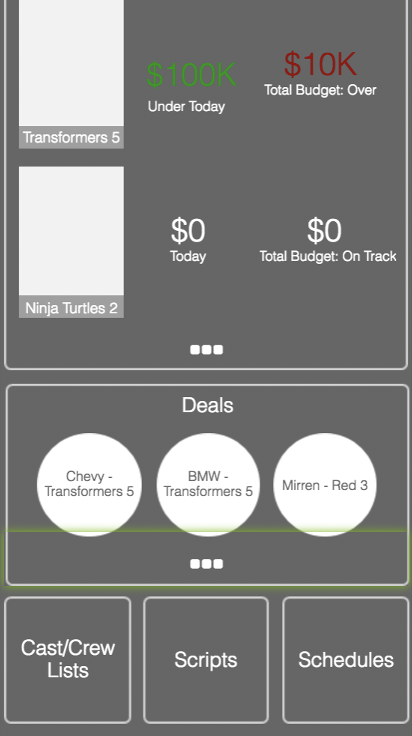
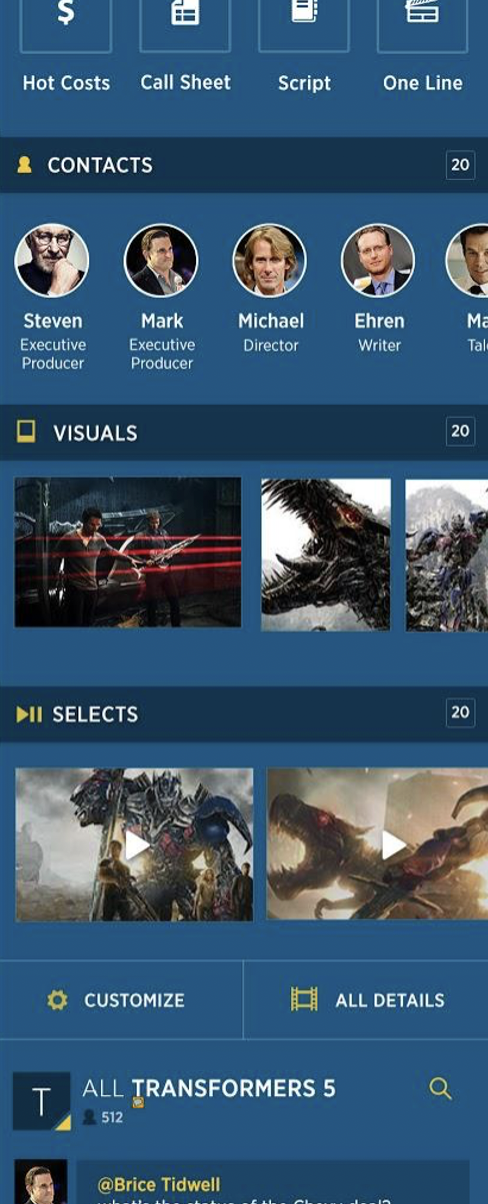
With alignment done, we built the core UX, added visual fidelity, and set up rapid prototyping and testing.
-
Core UX & Wireframes
We defined the foundational user flows and structure of the experience.
-
Visual Fidelity
We evolved the wireframes into high-fidelity designs with refined visuals, interactions, and brand expression.
-
Rapid Prototyping & Testing
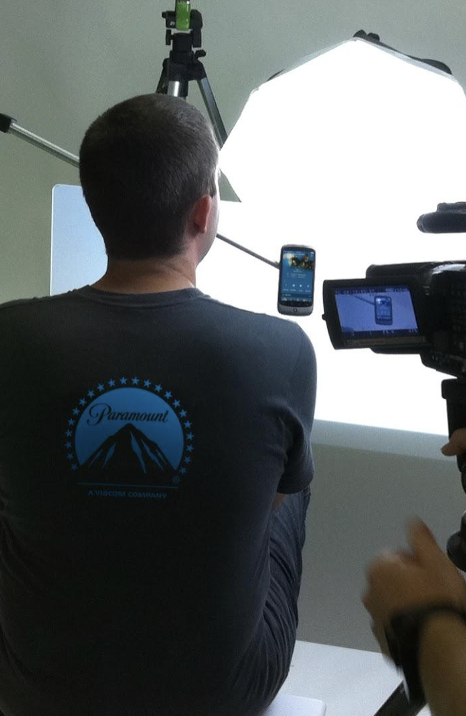
We built quick, iterative prototypes to validate ideas early and continually refine the experience.
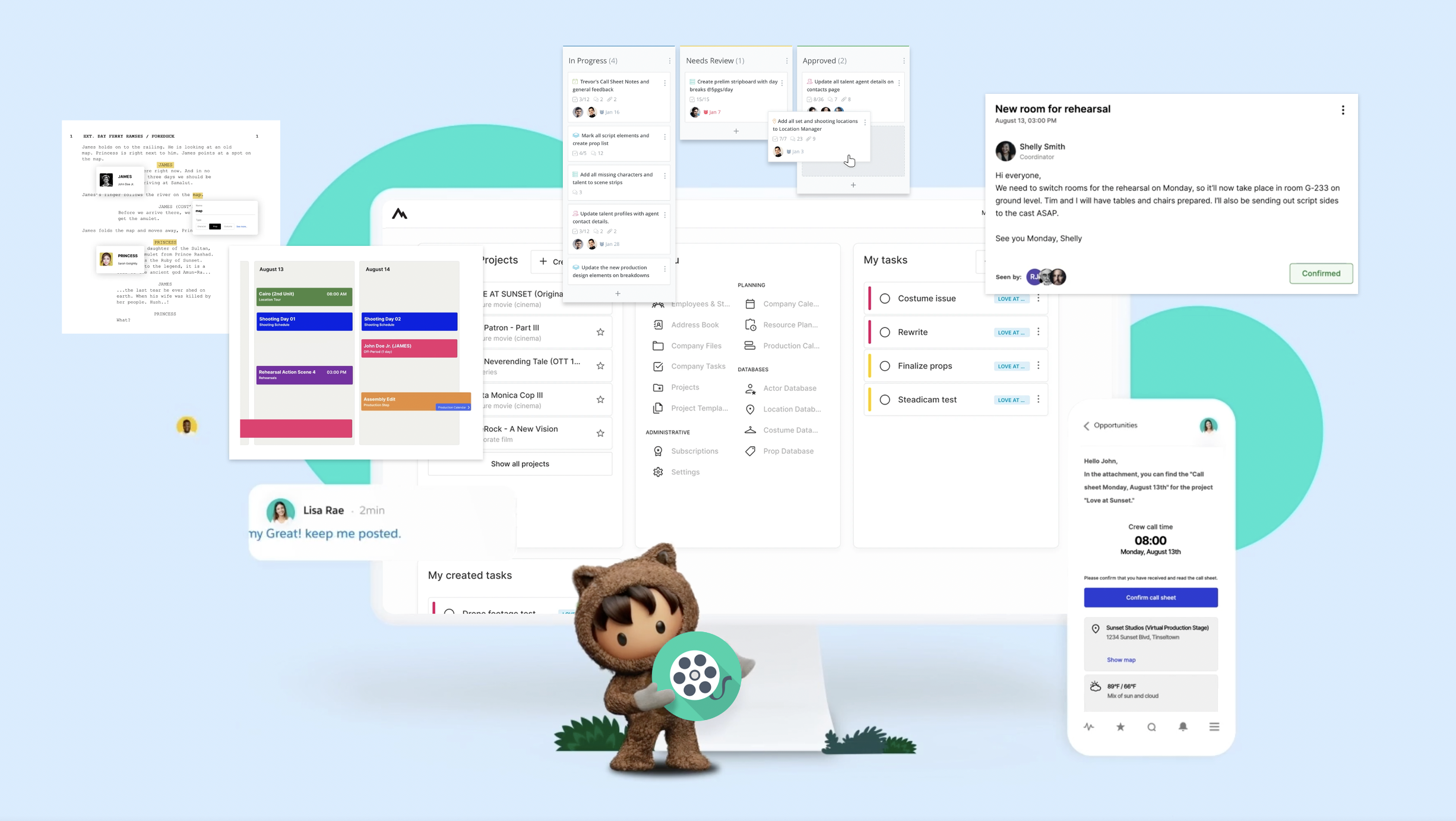
Following the successful pilot, we expanded the work into a full ecosystem of capabilities that proved highly impactful for Paramount.
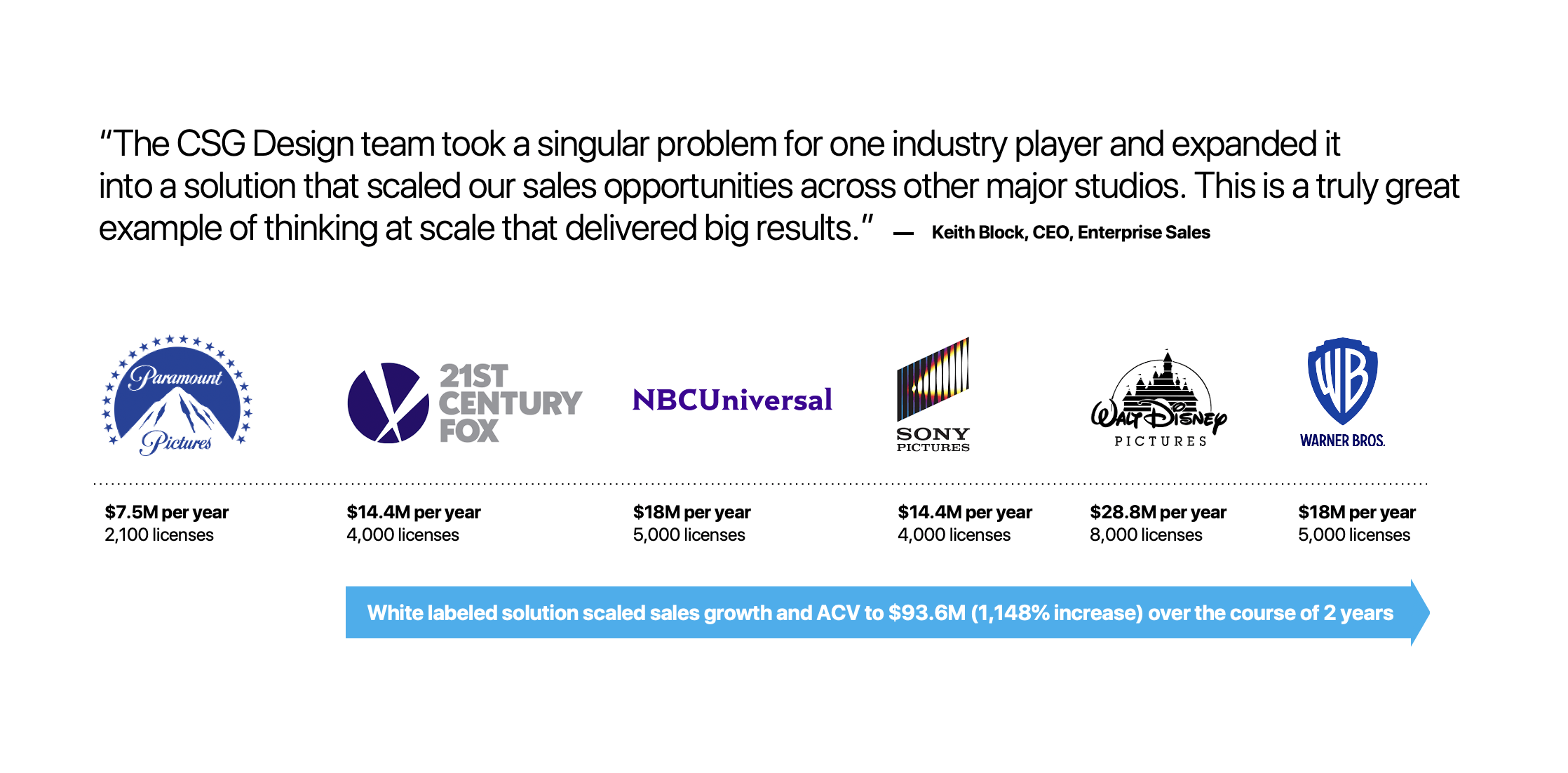
The success of our work with Paramount revealed a broader industry need. We recognized the potential to white-label our solution and offer it to other studios, creating new opportunities for scale, incremental business, and substantial growth for the company.
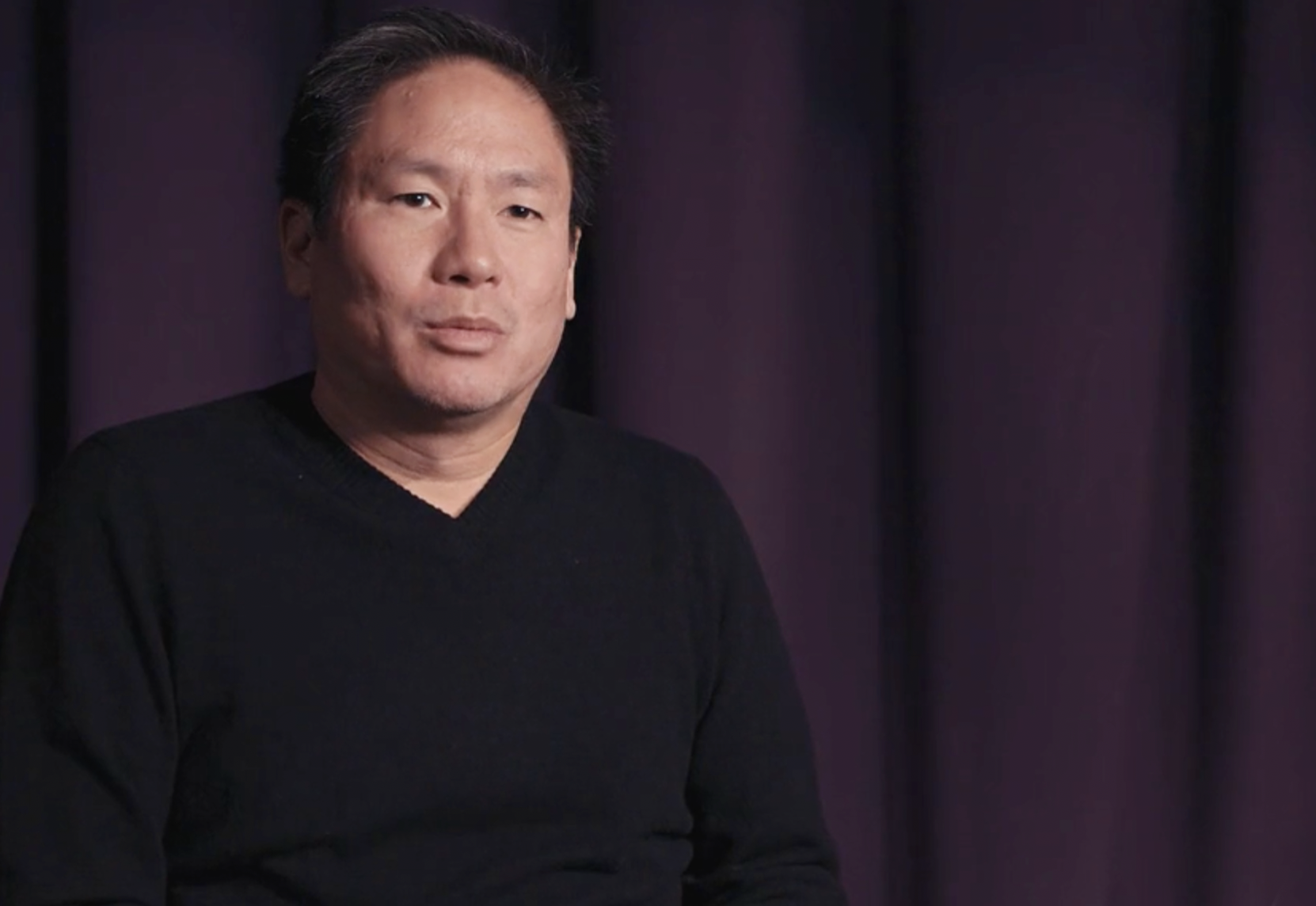
“Success meant creating real-time, shared access to information.”
— Abe Young, CIO, Paramount Pictures
Outcomes
The redesigned production ecosystem delivered $30–50M in cost savings per film, with $19.7M–35M from operational efficiency and $10.2M–15M from improved marketing effectiveness. Paramount gained faster collaboration, fewer delays, and better decision-making across every stage of production.
“This process allowed us to see all of the departments integrated together, from start to finish, alleviating a lot of headaches and saving us an enormous amount of time and ultimately money. the Salesforce team absolutely nailed this!”
— Rich Sterling, Vice President, Post Production Operations
$80M
Cost savings per feature film production
+6%
Average improvement in efficiency across production (saving about $35M annually)
+5%
Average improvement in efficiency across marketing spend (saving about $15M annually)
+70%
Increased retention of employees across multiple productions